
Drive time radio remains relevant by combining local news, traffic updates, human connection, and real-time interaction. Modern stations integrate podcasts, streaming, and AI technologies to enhance commuter experiences, maintain audience loyalty, and adapt successfully within the evolving digital audio landscape.
Every weekday morning, millions of commuters slide into their cars, turn the key, and immediately connect to a familiar voice. Despite endless digital entertainment options right in our pockets, traditional broadcast media still commands a massive audience during peak commuting hours. The enduring power of drive time radio stems from its unique ability to blend real-time local information with genuine human connection.
While streaming services offer endless music and podcasts provide deep dives into niche topics, local stations deliver the exact temperature in your city, the delay on your specific highway, and a shared cultural moment with your neighbors. This post explores the evolution, impact, and future of drive time radio as a distinct medium for connection.
In this comprehensive guide, you will learn:
- Why local engagement keeps traditional broadcasts relevant.
- How modern stations integrate podcasts, streaming, and artificial intelligence.
- The psychological appeal of shared morning routines.
- What the future of the daily commute sounds like.
The Evolution of Drive Time Radio
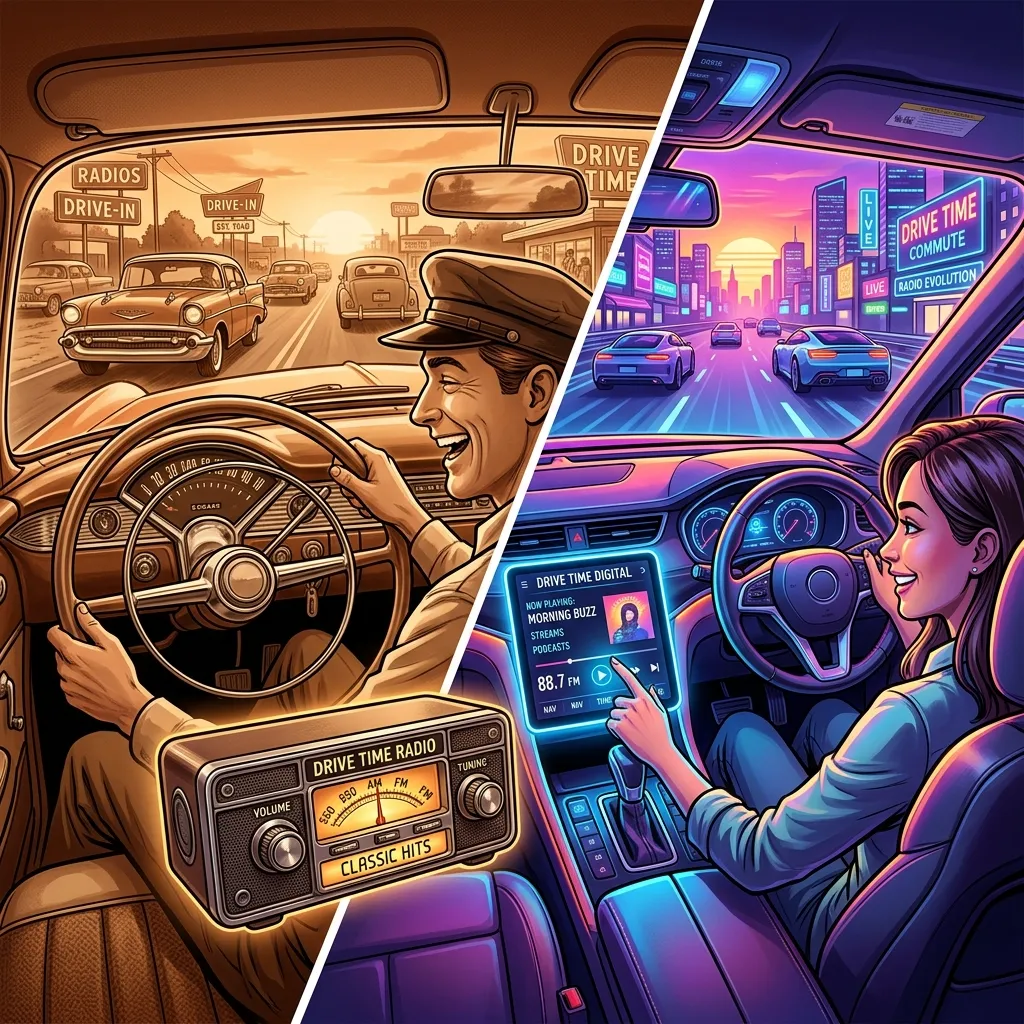
To understand the current audio landscape, we must look at how the daily commute shaped broadcasting history. The relationship between the automobile and the radio station created a captive audience that broadcasters eagerly capitalized on, shaping modern drive time radio.
The Rise of the Car Radio
The introduction of the commercial car radio fundamentally changed how people consumed media. As suburban sprawl increased commute times across the globe, the car radio became standard equipment. Broadcasters quickly realized that the morning and late afternoon hours offered a massive, highly attentive audience.
They designated these blocks as “drive time” and began tailoring their programming specifically for motorists. This meant faster pacing, frequent weather updates, and engaging hosts designed to wake up weary drivers. Drive time radio became a highly structured format, ensuring that a listener tuning in for just a fifteen-minute drive would get exactly what they needed.
Evolution of Radio Technologies
The car radio first appeared as a luxury item, transforming the driving experience from a solitary activity into an interactive, community-focused ritual. As radio hardware improved—from tube radios embedded in car dashboards to compact solid-state devices and, later, digital tuners—the accessibility of drive time radio only increased. Over time, FM replaced AM for music fidelity, and stereo sound opened up new opportunities for immersive audio experiences during commutes.
Cultural Impact of Ritualized Listening
The daily act of tuning in consistently built a habit. Over generations, families and individuals found comfort in the repeatability of hearing the same voices each morning or evening—announcers who became as familiar as relatives. These shared moments fostered social bonds; a particular song, joke, or news update could ripple through an entire region, synchronizing the day’s mood.
Building Community Through Shared Audio
During its rapid growth, drive time radio established morning and afternoon rituals that defined local culture. Listening to the local morning show became a shared communal experience. Co-workers could gather in the office and discuss a hilarious prank call or a controversial interview they all heard on the same station.
This synchronization of media consumption fostered a strong sense of community identity that regional broadcasters actively nurtured. A great drive time radio host feels like a trusted friend riding in the passenger seat.
Key Characteristics of Traditional Broadcasts
The success of these broadcasts relied on a specific formula. Drive time radio requires a careful balance of entertainment and utility.
- Personality-driven shows: Hosts anchor the programming with charisma and relatability.
- Local news updates: Brief, hyper-local news keeps listeners informed.
- Urgent traffic reports: Real-time hazard warnings keep drivers safe.
- Accurate weather forecasts: Essential information for planning the day ahead.
The Heartbeat of Local Life
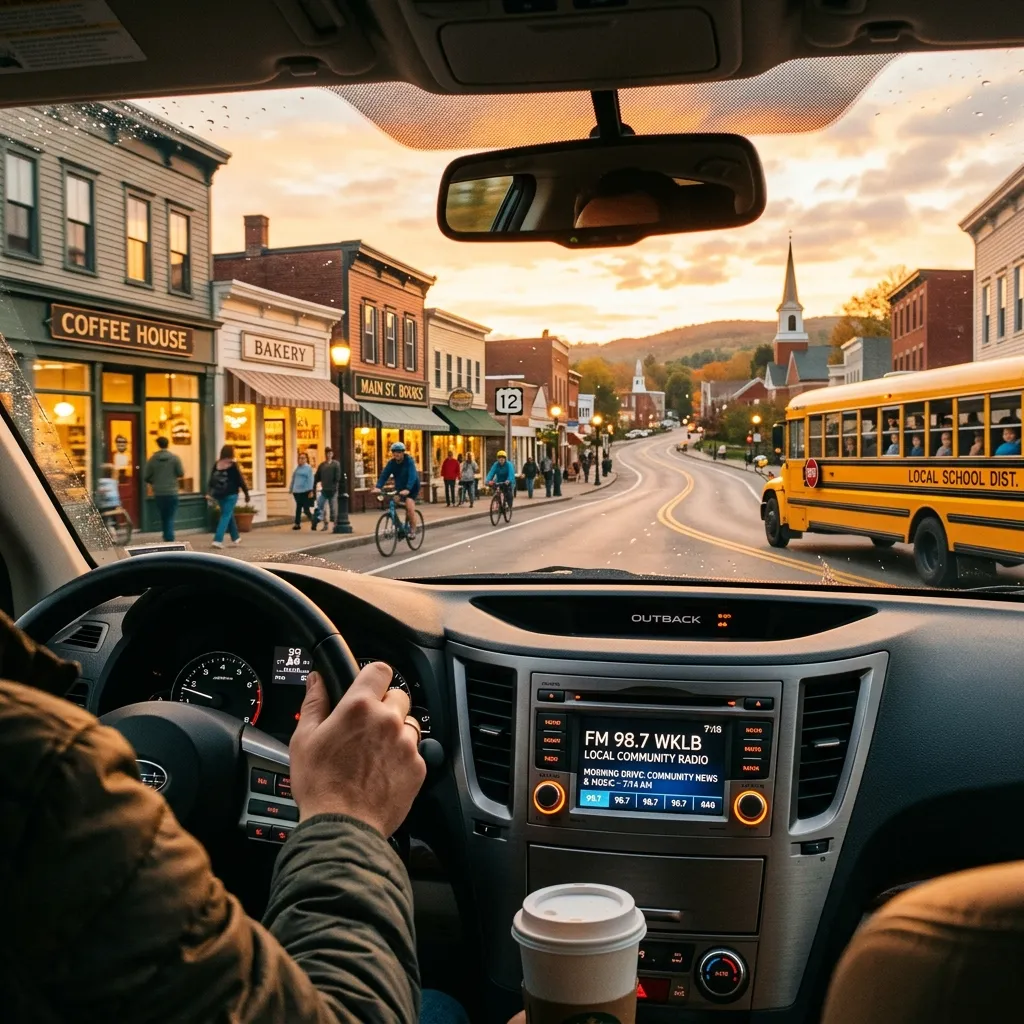
What sets drive time radio apart is its role as the pulse of local happenings. Announcers broadcast road closures, upcoming fairs or school delays, and prompt listeners to call in with eyewitness reports of weather or accidents. This conversational approach turns passive listeners into active participants, weaving drive time radio into the fabric of their daily lives.
Why Drive Time Radio Survives Digital Disruption
The transition into the digital era brought unprecedented challenges to traditional broadcast models. Commuters suddenly had access to infinite audio options, forcing stations to rethink their fundamental value proposition. Yet, drive time radio has not only survived—it has adapted and thrived.
The Hyper-Local Advantage
The primary advantage of broadcast media is its immediacy. When a major accident closes a local highway or a sudden storm rolls into the region, local stations provide instant, life-saving updates. A pre-recorded podcast cannot warn a driver about a sudden detour on their specific route to work.
This real-time, hyper-local focus makes drive time radio an indispensable utility for many daily drivers. Commuters rely on this information to navigate heavy traffic, making the broadcast an active tool rather than just passive entertainment.
Responsive and Relevant
Radio stations monitor alerts from city agencies, police scanners, and even direct calls from listeners who report breaking news. Information delivered can include community announcements like roadwork, lost pets, or public emergencies—details you won’t find in national streaming playlists. This responsiveness cements drive time radio’s role as a trusted source.
Human Connection Over Algorithms
Driving can be an isolating and stressful experience. Radio hosts provide a unique form of parasocial companionship that algorithms cannot replicate. Familiar voices greeting the listener every morning create a comforting routine.
Live call-in segments allow everyday citizens to voice their opinions, request songs, and participate in community discourse. This interactive element makes the listener feel connected to their city in real-time, cementing the importance of drive time radio in the daily routine.
The Psychology of Morning Radio Rituals
Unlike curated algorithmic playlists, radio offers unpredictability and serendipity. Vivid personalities, spontaneous laughter, live interviews, on-air stunts—these create memories and motivate repeated tune-ins. Studies show that habitual listening builds a sense of belonging, decreasing commute-related stress and boosting mood for the day.
Adapting to the Digital Era
Traditional networks have not sat idle during this digital shift. Major broadcasting companies have aggressively integrated digital platforms into their business models to protect their drive time radio dominance.
Integrating Podcasts and Streaming Services
Radio stations now package their best on-air segments into on-demand podcast spin-offs. They stream their live broadcasts through proprietary mobile applications, interact with listeners via social media video feeds, and utilize text messaging platforms for real-time audience engagement.
By embracing the very technologies that threatened them, broadcasters have expanded the reach of drive time radio beyond the dashboard. Commuters can now start listening in the car and finish the show on their smartphone at their desk.
Social Media and Listener Engagement
Stations frequently supplement their radio presence with Instagram stories, Twitter polls, Facebook live Q&As, and text-to-win contests. This omnichannel approach increases listener retention—fans can interact with their favorite morning show personalities even after their commute ends.
Podcasting: Extending Brand and Voice
Recording live shows and repurposing material into downloadable podcasts breathes new life into classic segments. Modern stations track downloads, subscribers, and social shares, ensuring segments resonate with both captive and on-demand audiences.
Examples of Successful Morning Shows
Many heritage morning shows have effectively transformed into multi-platform brands. They chop their multi-hour broadcasts into highly shareable video segments optimized for social media algorithms. This allows them to capture the traditional commuting audience while simultaneously monetizing digital viewers throughout the day.
For a fantastic example of a morning show that captures this engaging daily energy, check out Marty in the Morning to see how a structured, friendly broadcast sets the tone for the day.
Case Study: Global Formats
Shows like “Marty in the Morning” or major syndicated programs blend relaxed conversation, current events, and recognizable music, all tailored to their unique national audiences. These programs have successfully made the jump from AM/FM dominance to streaming audio, podcast form, and livestreamed video.
The Role of AI in Modern Drive Time Radio
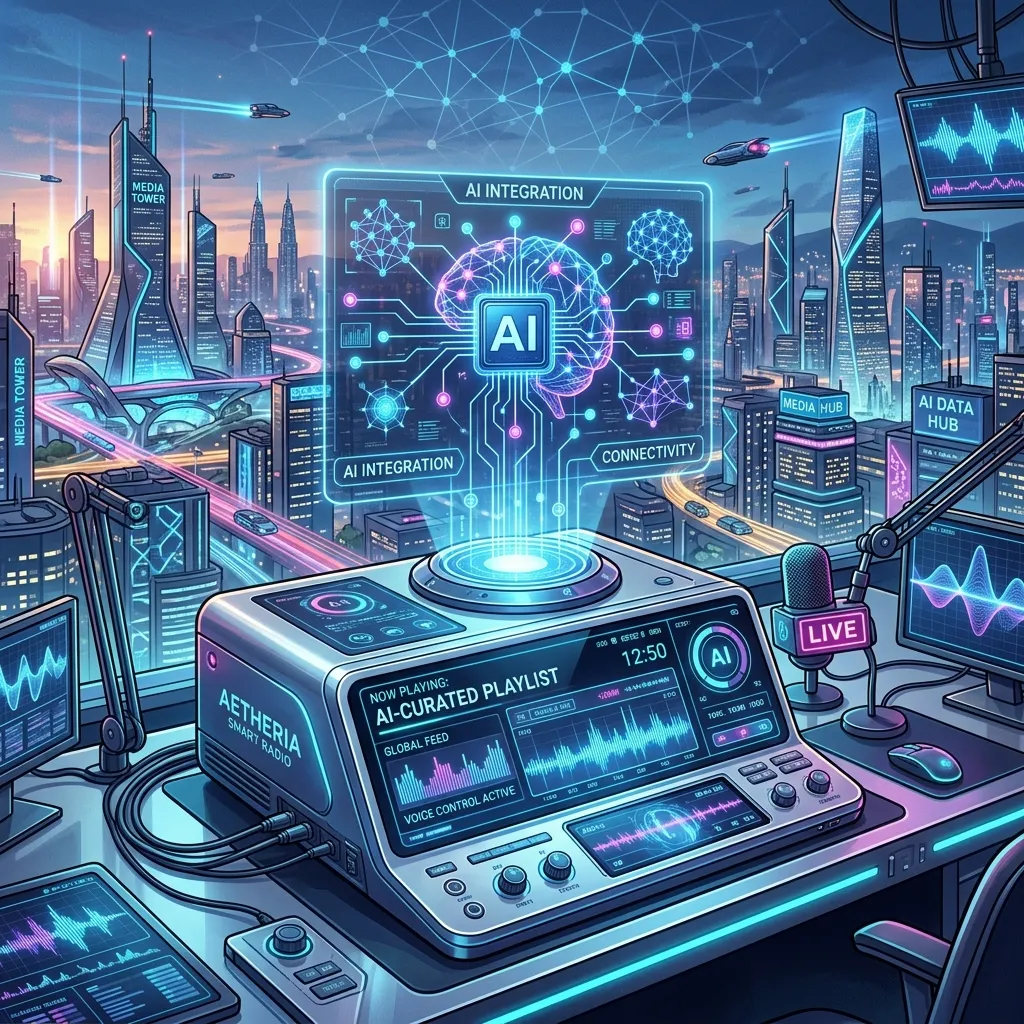
As technology continues to advance, the medium is poised for another massive transformation. Artificial intelligence and connected vehicles will redefine what it means to tune in to drive time radio during the commute.
Smart Curation and Analytics
Artificial intelligence is already reshaping how broadcasters operate behind the scenes. AI platforms assist producers by analyzing massive datasets to predict which songs will perform best in specific markets.
Furthermore, AI enables dynamic ad insertion, allowing broadcasters to serve personalized, localized advertisements to listeners streaming the station via digital apps. This improves revenue streams for drive time radio without increasing the overall commercial load on the listener.
Real-Time Audience Analysis
AI enables stations to detect shifting audience moods and changing commuter patterns. If weather conditions or major news events break, hosts can pivot quickly thanks to real-time analytics fed to their dashboard from AI-powered monitoring tools.
Adapting Content Based On Listener Data
AI’s ability to segment audiences means that a family in a suburban carpool may hear family-friendly contests, while downtown professionals get news bursts or market reports. This intelligent targeting keeps content relevant and revenue strong.
Voice Assistants and Smart Cars
As vehicle dashboards evolve into complex infotainment ecosystems, drive time radio applications must secure prime real estate on these screens. Automakers and broadcasters are collaborating to ensure seamless user experiences.
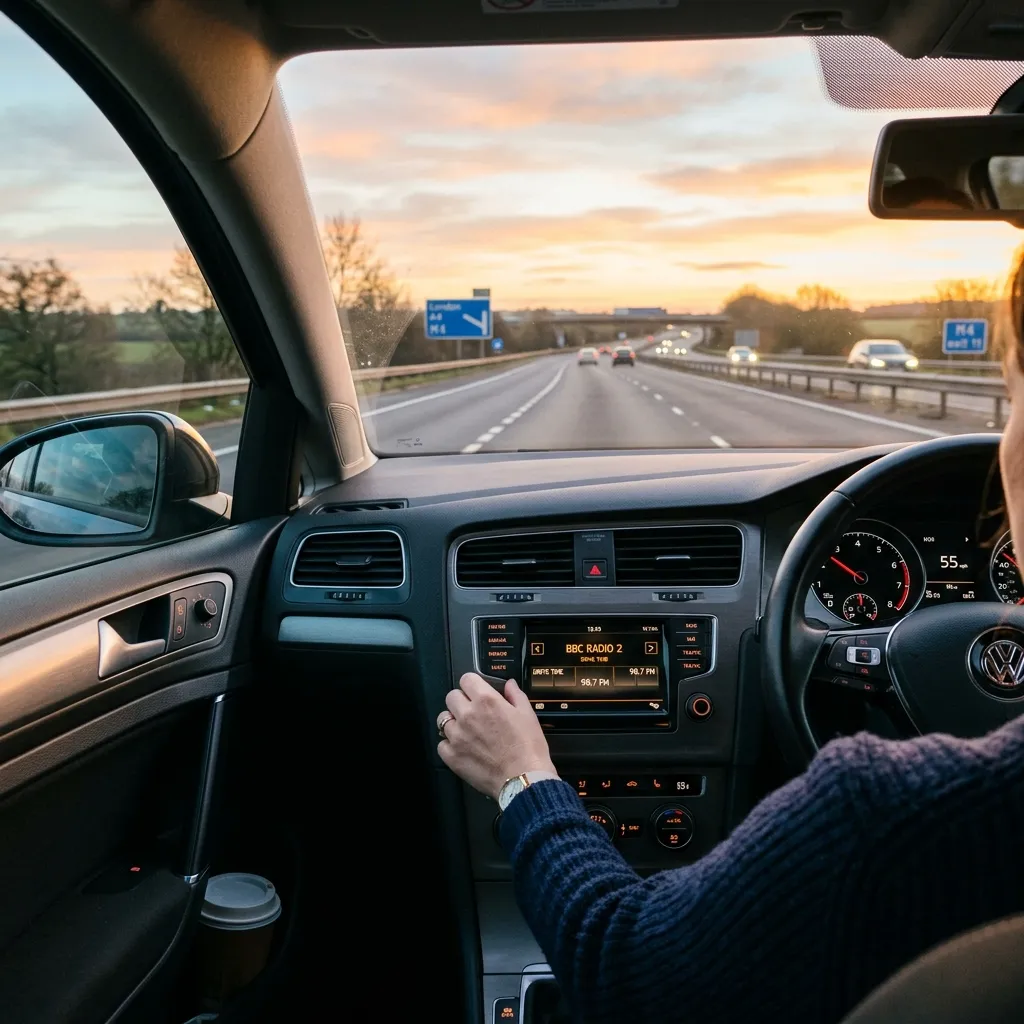
Modern connected cars allow drivers to easily switch between terrestrial FM signals and digital streams of the same station. Drivers can use voice commands to interact with the broadcast, asking their dashboard to save a song or send a voice memo to the drive time radio host.
Connected Cars: A Symbiotic Future
In-car apps merge traditional FM, DAB, and internet streams. Many modern dashboards let you bookmark songs, tweet at a radio host, or switch instantly to the station’s podcast feed if you lose signal in a tunnel—seamless integration nurtured by the ongoing marriage between vehicle and broadcaster tech teams.
Deep Dive: The Unique Content of Drive Time Radio
Drive time radio isn’t just about the audio—it’s about the comprehensive commuter experience. From humor to hard-hitting news, these shows craft miniature worlds for listeners.
Breaking News and Crisis Management
When emergencies occur—storms, accidents, public safety alerts—drive time radio mobilizes quickly. On-air staff update listeners, interview public officials, and direct people to resources faster than slow-to-refresh digital apps. This immediacy fosters trust and ensures drive time radio remains a lifeline during crises.
Interactive Segments and Games
From trivia questions to call-in contests and birthday shoutouts, the interactive component invites listeners into the broadcast itself. This personal connection keeps commuters tuning in, eager for a chance to participate, win, or simply hear their name on air.
The Art of Music Programming
Human-curated playlists respond to local trends, listener requests, and host preferences, creating a musical experience that streaming algorithms can’t duplicate. Broadcasters weave new releases with regional hits and forgotten favorites, shaping a soundtrack that feels both familiar and ever-evolving.
Diversity in Content
Not all drive time radio is formatted around Top 40 pop or club classics. Around the world, morning and evening drive shows may include cultural commentary, regional folk music, language learning segments, sports roundups, and even poetry readings. This diversity of content draws in a wide audience and makes car radio a source for lifelong learning and entertainment.
Drive Time Radio vs. Streaming Services
How does traditional broadcasting stack up against modern streaming giants? While both have their place in the commuter’s routine, they serve very different psychological and practical needs.
|
Feature |
Drive Time Radio |
Streaming Playlists |
|---|---|---|
|
Local Relevance |
High (Traffic, weather, local news) |
Low (Globalized content) |
|
Host Interaction |
Live, spontaneous, interactive |
Pre-recorded or non-existent |
|
Music Discovery |
Curated by human DJs |
Curated by predictive algorithms |
|
Utility |
Essential for route planning |
Purely entertainment focused |
Drive time radio serves as the perfect low-stakes background soundtrack. The structured mix of short conversational segments, recognizable music, and brief news updates requires very little cognitive load.
Situational Awareness
Commuters trust drive time radio to keep them informed—whether it’s an overturned truck at a major intersection, or sudden flash-flood warnings along rural routes. Some modern streaming apps attempt to incorporate local news, but without the granular detail and emotional urgency that live radio delivers.
Fostering Discovery and Broadening Horizons
Whereas algorithms tend to reinforce existing preferences, drive time DJs intentionally introduce listeners to new genres, community artists, and regional news stories. This serendipity broadens musical and cultural horizons and ensures the audience is always discovering something new.
Best Practices for Broadcasters
Creating a broadcast that consistently captures a distracted audience requires a specific blend of talent and technical execution. The anatomy of a successful drive time radio show remains remarkably consistent across different formats.
Content Pacing and Delivery
Producers must maintain a delicate balance of content. A successful hour of drive time radio features a tight rotation of popular music, concise news briefings, engaging interviews, and interactive listener games.
Pacing is critical. Producers know that the average listener might only tune in for twenty minutes, so they structure the show in repeating blocks. This ensures every commuter catches the most important segments of the drive time radio broadcast.
Scheduling for Maximum Engagement
The placement of headlines, traffic, and weather is strategic. For example, a show may lead with breaking news, shift into upbeat music to energize listeners, and cycle back to reminders about upcoming community events. Every element is chosen to maximize engagement and create an emotionally satisfying journey.
Engaging the Modern Commuter
Behind the engaging hosts is a team of audio professionals ensuring high production quality. Sound design, crisp vocal processing, well-timed sound effects, and seamless transitions keep the drive time radio broadcast moving forward.
Tight production prevents dead air and maintains an energetic momentum that helps wake commuters up. Broadcasters who optimize their content for digital discoverability and prioritize genuine local engagement will continue to rule the commute.
Talent Development and Audience Connection
Successful broadcasters regularly invest in on-air talent development, voice coaching, and topical research. Hosts often become recognizable celebrities in their towns, and their authenticity, humor, and cultural intuition drive continual audience loyalty.
Drive Time Radio Around the World
Regional Variations and Local Flavors
While the drive time format is universal, its execution varies globally. In densely populated cities, broadcasters may focus on public transit updates. In rural areas, farm reports and market prices dominate.
Some countries blend drive time radio with multilingual programming, offering news in multiple languages to serve diverse commuter populations. This adaptability speaks to the heart of car radio: meeting listeners exactly where they are.
Notable Global Examples
- The U.S.: Z100’s “Elvis Duran and the Morning Show” seamlessly weaves national pop culture with New York City-specific stories.
- UK’s BBC Radio 2: Chris Evans’ morning show (now The Zoe Ball Breakfast Show) combines interviews, classic hits, and friendly banter.
- Australia’s Nova FM: “Fitzy & Wippa” offer games, pranks, and irreverent humor.
- Ireland’s Lyric FM: Marty in the Morning blends storytelling and music to create a positive community start to the day.
The Business of Drive Time Radio
Revenue Models in the Modern Age
Advertising remains the lifeblood of drive time radio, but revenue models are evolving. Sponsorships, branded content, digital ad insertions, and even live event hosting (such as charity marathons or in-person concerts) supplement traditional commercial slots.
Measuring Success Beyond Ratings
Modern stations track not just FM ratings, but also app engagement, social follows, podcast downloads, SMS interactions, and web traffic. The goal is to demonstrate to advertisers a loyal, multi-platform audience that stays connected well beyond the drive.
Conclusion
Drive time radio has survived the invention of the cassette tape, the CD player, the portable MP3 player, and the smartphone. It endures because the human desire for local connection, real-time information, and friendly companionship remains a constant need.
As we move toward an era dominated by artificial intelligence and autonomous vehicles, the medium will undoubtedly change shape. However, the core function of drive time radio—to inform, entertain, and connect a community of listeners as they navigate their day—will remain a vital part of our media landscape. To leverage this enduring power, start looking for ways to blend your local audio strategies with modern digital distribution.
Frequently Asked Questions
What exactly is drive time radio?
Drive time radio refers to the specific broadcasting blocks aimed at commuters during the morning and late afternoon rush hours. These shows feature faster pacing, frequent traffic and weather updates, and energetic hosts. The goal is to keep drivers entertained and informed while they navigate heavy local traffic.
Why do people still listen to drive time radio today?
People continue to listen because drive time radio provides hyper-local utility and human connection that algorithms cannot match. Live traffic updates, local weather forecasts, and community-focused discussions offer immediate value. It serves as a comforting, shared daily routine for millions of global commuters.
How does drive time radio differ from a podcast?
Drive time radio is broadcast live, offering real-time updates and spontaneous host interactions tailored to a specific geographic community. Podcasts are pre-recorded, highly niche, and usually lack timely information like local traffic or breaking news. Radio provides immediate companionship, whereas podcasts offer deep, on-demand dives.
How is AI changing drive time radio?
AI is changing drive time radio by enabling dynamic ad insertion and providing predictive analytics for music curation. Broadcasters use AI to generate accurate transcripts for SEO and to power voice-activated dashboard interactions. It acts as a powerful backend tool to streamline production and personalize digital streams.
Can streaming services replace drive time radio?
While streaming services dominate music consumption, they cannot fully replace drive time radio. Streaming lacks the live, local spontaneity, urgent community updates, and interactive parasocial relationships provided by live human hosts. Both media serve different needs during the daily commute.
What makes a drive time radio host successful?
A successful drive time radio host possesses a blend of charisma, quick-witted humor, and profound relatability. They must sound authentic and approachable while seamlessly transitioning between lighthearted entertainment and serious local news. Their ability to connect with the everyday struggles of commuters is crucial.
How do radio stations measure their drive time audience?
Stations measure their drive time radio audience using a combination of traditional ratings agencies and modern digital analytics. They track live FM listening through portable meters and diaries, while simultaneously measuring digital app streams and podcast downloads. This provides a comprehensive view of their total commuter reach.
Why are traffic and weather so important to these broadcasts?
Traffic and weather are critical to drive time radio because they directly impact the listener’s immediate safety and schedule. Commuters rely on this localized information to avoid accidents, plan alternate routes, and prepare for the day. It is the primary utility that keeps drivers tuning in consistently.
How do radio stations repurpose their drive time content?
Stations repurpose drive time radio content by cutting full live broadcasts into shorter, on-demand podcast episodes. They also film their in-studio segments to create highly shareable, bite-sized video clips for social media platforms. This strategy allows them to reach audiences long after the daily commute ends.
Will autonomous vehicles kill drive time radio?
Autonomous vehicles will not kill drive time radio; they will simply change how passengers interact with it. Without the need to focus on driving, passengers may desire even more interactive, localized audio companions. Broadcasters are already adapting by developing highly visual and interactive dashboard applications.