

Starting a web radio station involves choosing equipment, streaming software, and a hosting platform while ensuring legal music licensing. Success depends on niche content, audience engagement, and consistent programming to build a loyal global listener base.
The appeal of broadcasting your own voice, music curation, or niche talk show to a global audience has never been stronger. Traditional FM and AM dials are strictly regulated and geographically limited. Internet radio breaks down these barriers entirely. It allows anyone with a computer and an internet connection to reach listeners from Tokyo to Toronto.
Learning how to start a web radio station might seem intimidating at first glance. You have to navigate software choices, audio equipment, legal requirements, and marketing strategies. However, the process is incredibly straightforward once you break it down into manageable steps. The technology powering internet broadcasting has become highly accessible. You can launch a professional-sounding stream without a massive budget or a degree in audio engineering.
This web radio setup guide provides a comprehensive roadmap for getting your internet radio station off the ground. You will learn exactly what equipment to buy, how to stay on the right side of copyright law, and what it takes to build a loyal audience. Let’s explore the essential steps to turn your broadcasting dream into a live, streaming reality.
Understanding the Legal Landscape: Licensing and Copyright
One of the most critical steps when figuring out how to start a web radio station is understanding audio copyright laws. Playing copyrighted music without permission can lead to hefty fines and your station being shut down. You must protect your live streaming radio setup from legal trouble.
Music Licensing Basics
If you plan to play commercially released music, you must obtain the proper licenses. In the United States, this generally means securing performance rights from organizations like ASCAP, BMI, SESAC, and SoundExchange. These entities collect royalties on behalf of songwriters, composers, and recording artists.
Many web radio hosting platforms simplify this process by offering built-in licensing coverage. They partner with umbrella licensing services to cover your streams. If your hosting provider does not cover licensing, you will need to purchase a webcaster license independently before you start online radio station broadcasting.
Royalty-Free and Talk Radio Alternatives
If navigating licensing fees exceeds your budget, you have other fantastic options. You can curate playlists using royalty-free music or tracks released under Creative Commons licenses. This keeps your web radio setup guide simple and cost-effective.
Alternatively, you can focus entirely on talk radio, interviews, and original spoken-word content. This completely bypasses the need for music licensing. Talk formats are incredibly popular and allow you to build deep connections with your audience.
Choosing Your Niche and Content Strategy
A successful station needs a clear, recognizable identity. With thousands of options available online, a highly specific niche helps you stand out. A focused strategy will attract a dedicated and passionate listener base.
Defining Your Target Audience
Decide exactly who you want to reach when you start online radio station operations. Are you catering to fans of obscure 1980s synth-pop, local sports enthusiasts, or entrepreneurs looking for business advice? Identifying your ideal listener dictates the tone of your station.
Your niche will influence the music you play and the topics you discuss. Narrowing your focus makes it much easier to market your station later. People love finding communities that cater directly to their specific, unique interests.
Developing a Programming Schedule
Consistency keeps listeners coming back day after day. Create a weekly programming grid that outlines your shows, live DJ sets, and automated playlists. Mix live broadcasting with pre-recorded segments to keep your station running 24/7.
You want to avoid burning yourself out during your first few months. Many internet radio broadcasting tools allow you to schedule playlists in advance. This automation ensures your station never goes silent, even while you sleep.
Essential Equipment for Your Web Radio Station
You do not need a million-dollar studio to sound like a professional broadcaster. A few key pieces of equipment will elevate your audio quality instantly. Knowing how to start a web radio station relies heavily on picking the right gear.
Core Audio Gear to Consider
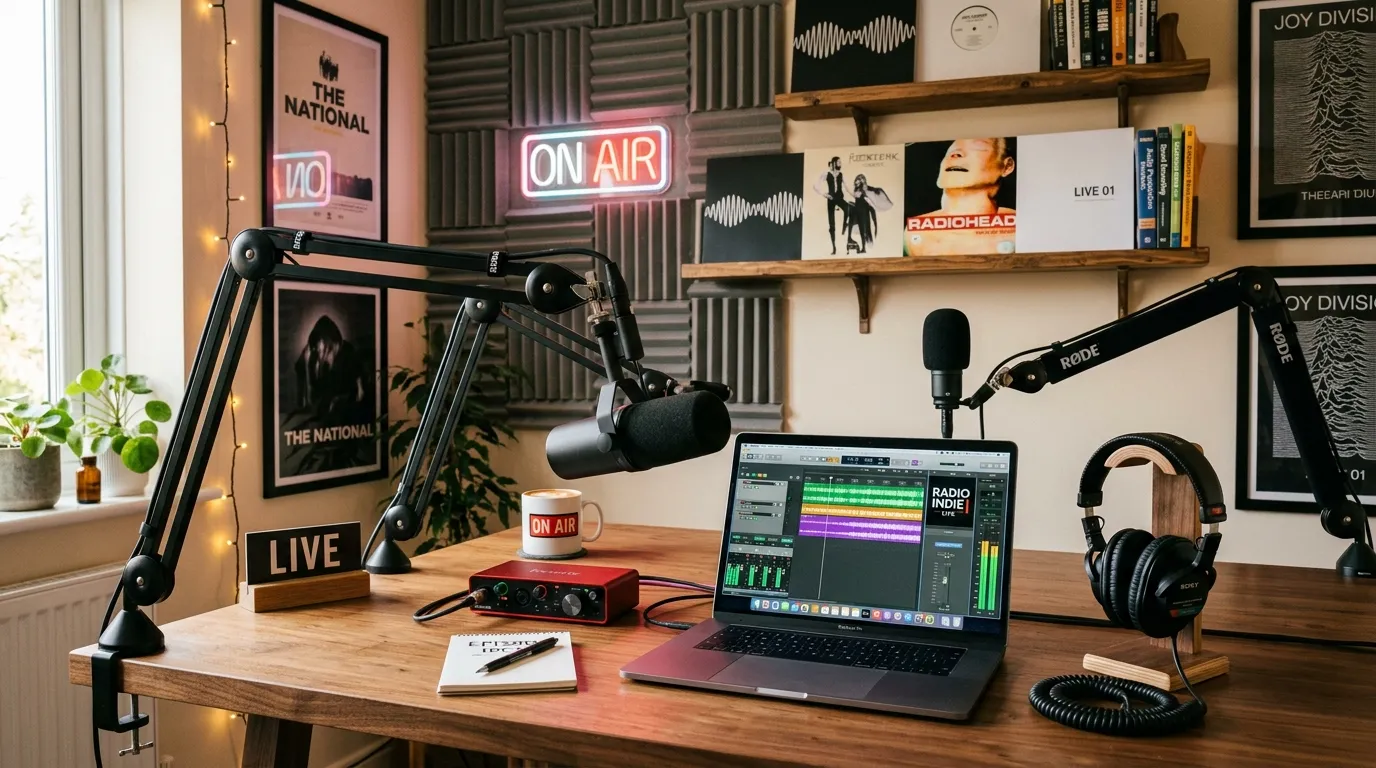
Your voice is your primary tool, so invest in a decent microphone. Dynamic microphones like the Shure SM58 or the Rode PodMic are excellent for broadcasting because they reject background noise well. If you prefer a simple plug-and-play setup, USB microphones are fantastic entry-level options.
Closed-back headphones are absolutely essential for any host. They allow you to monitor your audio without the sound bleeding back into your microphone. If you choose an XLR microphone, you will also need an audio interface or a mixing desk to convert the analog signal.
Comparing Starter Broadcasting Gear
To make your live streaming radio setup seamless, you need to understand your hardware choices. Here is a quick breakdown to help you decide on your studio setup:
- Evaluate your room acoustics before buying sensitive condenser microphones.
- Invest in a sturdy boom arm to keep your desk clear.
- Always use a pop filter to eliminate harsh vocal plosives.
- Keep extra cables handy in case of technical failures.
|
Equipment Type |
Best For |
Average Cost |
Complexity |
|---|---|---|---|
|
USB Microphone |
Beginners, Solo hosts |
$50 – $150 |
Low |
|
XLR Mic + Interface |
Advanced users, Co-hosts |
$200 – $500 |
Medium |
|
Audio Mixer |
Live call-ins, Multiple inputs |
$150 – $600 |
High |
|
Closed-Back Headphones |
Monitoring without bleed |
$50 – $150 |
Low |
If you are looking to dive deeper into the exact models to purchase, reading a detailed equipment guide for broadcasting will point you in the right direction.
Selecting the Right Streaming Software and Hosting
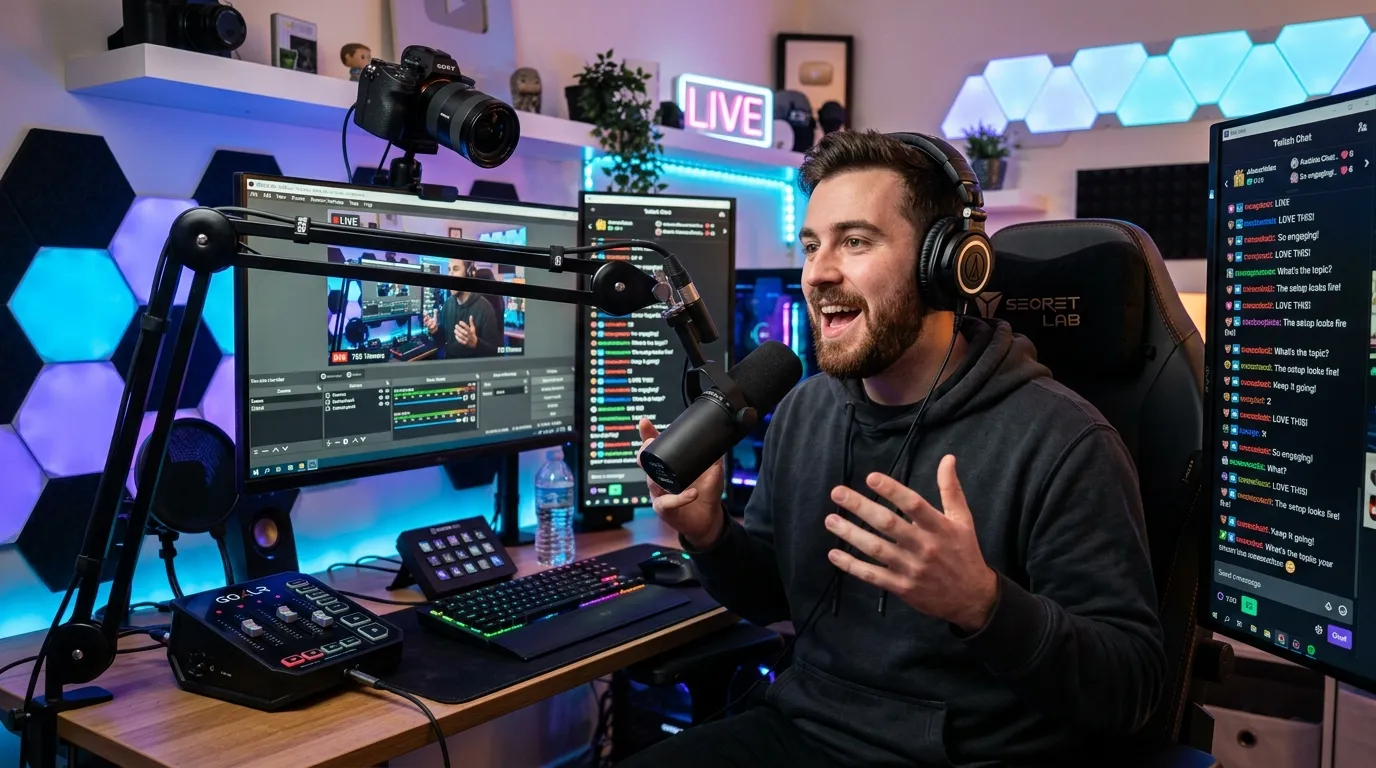
To get your audio from your bedroom to your listeners’ ears, you need two distinct things. You must secure reliable broadcasting software and a robust streaming server. This is the technical core of how to start a web radio station.
Internet Radio Broadcasting Tools
Broadcasting software, often called an encoder, captures the audio from your computer and sends it to your server. Selecting the right software ensures your stream remains stable and sounds crystal clear.
Broadcasting Software Options
There are numerous software options catering to different skill levels. BUTT (Broadcast Using This Tool) is a free, highly reliable encoder that works on Windows, Mac, and Linux. It is incredibly simple and perfect for straightforward live broadcasts.
Mixxx is a free, open-source DJ software that includes a built-in broadcasting feature. For those wanting a premium experience, Sam Broadcaster or RadioBOSS are paid, professional-grade software suites. They handle everything from live encoding to complex automated playlist scheduling.
Web Radio Hosting Platforms
Your hosting provider takes your audio stream and distributes it globally to your listeners. Popular platforms include Radio.co, Live365, and Shoutcast. When choosing a host, carefully consider your bandwidth limits and listener capacity.
You should also check whether the provider offers a customizable web player. You will want to embed this player directly onto your website so listeners can tune in effortlessly.
Building Your Audience: Marketing and Promotion
Launching your station is only the first milestone in your broadcasting journey. The next major challenge is getting people to actually tune in and stay engaged.
Submitting to Radio Directories
Radio directories function like powerful search engines for internet radio. Submit your station to platforms like TuneIn, Streema, and Internet Radio. Being listed on these directories significantly boosts your overall discoverability.
These directories often allow listeners to access your stream via smart speakers and dedicated mobile apps. This puts your live streaming radio setup directly into the pockets and living rooms of potential fans.
Social Media and Community Engagement
Use platforms like X, Instagram, and Facebook to share your programming schedule. Interact with listeners and post behind-the-scenes content from your studio. Create a dedicated hashtag for your station to easily track online conversations.
Engaging with your audience directly builds incredible brand loyalty. It turns casual listeners into dedicated fans who will champion your station to their own networks. Knowing how to start a web radio station means knowing how to build a community.
Monetization Strategies for Web Radio
Once you have a steady stream of listeners, you can start generating revenue. This income will help cover your hosting fees and equipment costs.
Advertising and Sponsorships
Reach out directly to businesses that align beautifully with your station’s niche. Offer them on-air mentions, pre-roll audio ads, or banner space on your website. Local businesses love supporting hyper-focused digital creators.
You can also join established audio advertising networks. These services automatically insert commercials into your stream, paying you a small fee per impression. It is an excellent passive income stream for your web radio setup guide.
Listener Support and Merchandise
Loyal fans are often willing to support their favorite creators directly. Set up a Patreon account or a simple donation button on your website. You can offer exclusive perks to donors, such as song requests or shout-outs.
Selling branded merchandise like t-shirts, mugs, and stickers is another excellent way to generate income. It acts as a dual-purpose strategy, turning your listeners into walking billboards for your brand.
Advanced Features and Growth
As your web radio station grows, you can expand your offerings. Providing a richer experience helps retain your hard-earned audience.
Mobile Apps and Smart Speakers
While listeners can tune in via their web browsers, having a dedicated mobile app adds a massive layer of professionalism. Many hosting providers offer custom app development as an add-on service. This makes tuning in a one-tap process.
Additionally, ensure your stream is compatible with smart speakers like Amazon Alexa. Creating a custom “Alexa Skill” for your station makes it incredibly easy for listeners to tune in with a simple voice command. This modernizes your live streaming radio setup.
Syndication and Podcasting
Expand your reach by syndicating your absolute best shows. You can record your live broadcasts, edit them down, and publish them as podcasts on Spotify and Apple Podcasts. This extends the lifespan of your audio content.
This strategy allows listeners to catch up on missed episodes on-demand. It also introduces your content to an entirely new audience that might eventually tune in to your live broadcasts.
Frequently Asked Questions
How much does it cost to start a web radio station?
Starting a station can cost anywhere from $0 to a few hundred dollars. If you use free software and a built-in computer microphone, your only cost is the hosting platform. Investing in a quality microphone and paid hosting usually averages around $200 initially.
Can I play music from Spotify on my web radio station?
No, it is strictly against Spotify’s terms of service to rebroadcast their streams. You must own the audio files legally and have the proper performance licenses to broadcast them. Relying on legitimate music pools or royalty-free tracks is the correct legal approach.
What kind of internet speed do I need for live streaming?
You need a highly stable, hardwired internet connection rather than Wi-Fi. An upload speed of at least 1 Mbps is strictly recommended to maintain a steady stream. Dropped connections will quickly cause your listeners to tune out.
How do I find a dedicated listener base?
Finding listeners requires you to lean heavily into your specific niche and market consistently on social media. Looking at examples like the success of radio web cabrito shows how targeting a specific audience builds loyalty. Engage daily with communities that care about your topic.
Do I need a license if I only broadcast talk radio?
If you are broadcasting 100% original spoken-word content and no copyrighted music, you do not need music performance licenses. This makes talk radio a highly affordable way to enter the broadcasting space. However, you still cannot use copyrighted sound effects without permission.
Can I broadcast a web radio station from my smartphone?
Yes, many modern hosting platforms offer dedicated mobile broadcasting apps. These apps allow you to go live directly from your phone’s microphone while on the go. While convenient, the audio quality will not match a dedicated desktop studio setup.
What is the absolute best microphone for beginners?
The Audio-Technica AT2020USB+ and the Blue Yeti are widely considered the best beginner microphones. They connect directly via USB, eliminating the need for expensive audio interfaces. They provide incredibly clear vocals for a very reasonable price point.
How do I monetize my internet radio station?
You can monetize through targeted sponsorships, running audio ads, selling branded merchandise, and using Patreon. Diversifying your income streams is the safest way to ensure your station remains profitable. Focus on building an audience first before heavily pushing monetization.
Can I co-host a live show with someone remotely?
Yes, you can use VoIP software like Skype, Zoom, or Discord to bring in remote co-hosts. You simply route their audio through your mixing desk or broadcasting software. This allows you to conduct professional interviews with guests anywhere in the world.
Is internet radio still a popular medium?
Absolutely. Internet radio continues to grow steadily as people seek out niche, curated content they cannot find on traditional FM dials. The rise of smart speakers in homes has made tuning into web stations easier and more popular than ever before.
Growing and Sustaining Your Web Radio Station
Once you have your web radio station up and running, the journey is only just beginning. Long-term success hinges not just on your technical setup, but on your commitment to growth, innovative programming, community building, and adaptability in a rapidly changing digital world. Let’s dive deeper into advanced strategies to help you expand your reach, keep content fresh, and build a radio brand that listeners will return to day after day.
Creating Compelling On-Air Content
In the crowded landscape of online radio, your programming is what will differentiate you from the sea of other stations. Great content builds listenership and keeps people coming back.
Show Development and Themed Programming
Establishing regular shows and themed programming is an effective way to foster listener loyalty. Develop signature segments—perhaps a “Friday Night Mix,” a weekly artist spotlight, or a live call-in advice show. Try inviting guest DJs, musicians, or industry experts to offer variety and bring fresh perspectives. You can also collaborate with podcasters, local artists, or influencers, cross-promoting each other’s content and tapping into new audiences.
Listener Participation and Interactive Features
Interactivity is a key advantage of online broadcasting. Encourage listeners to request songs live via social media, chat, or dedicated request lines. Poll your audience on upcoming topics, run contests or trivia, or let listeners share their stories on-air. Consider using web widgets that let audiences participate in real-time or even broadcast select voicemails or audio clips from your fans. The more you engage with your community, the more invested they’ll feel.
Growing a Loyal Community
Your listeners aren’t just passive recipients—they’re your station’s core community.
Building Listener Clubs and Mailing Lists
Establish a “listeners club” or VIP mailing list. Use this to send out exclusive updates, sneak peeks of upcoming shows, giveaways, and early access to events. Email newsletters are a proven tool for retaining audiences, driving up live listenership, and promoting station merchandise or sponsor offers.
Hosting Events and Live Broadcasts
Host virtual events such as live DJ sets, Q&A sessions, or “behind-the-scenes” studio tours. Where possible, partner with local venues or festivals to broadcast live from concerts, fairs, and cultural happenings. These not only expand your local footprint but give you fresh, context-rich content that can’t be found elsewhere.
Analytics and Feedback: Measuring Your Success
Modern internet radio platforms provide powerful analytics dashboards. Dive into these metrics regularly to understand which shows or tracks drive the most listeners, when your audience peaks, and how long people stay tuned in.
- Listener Demographics: Analyze where your audience is based and what demographics you attract.
- Engagement Metrics: Look for spikes in engagement during certain shows or features.
- Drop-off Points: See when listeners tend to leave, so you can tweak programming to hold attention.
Ask for feedback often—social polls, email surveys, or even live on-air questions. Nothing beats candid listener input for improving your output and strengthening loyalty.
Optimizing Web Presence and SEO for Your Station
Having a dedicated, easy-to-navigate station website is crucial. Your site is the central hub for sharing your stream, programming schedule, DJ bios, and archives of past shows. Make sure your site is mobile-responsive and features embedded players compatible with all modern browsers and devices.
SEO Tips for Your Web Radio Station
To attract new listeners searching for niche content, optimize your site for search engines:
- Use Focus Keywords: Incorporate phrases like “how to start a web radio station,” “internet radio broadcasting tools,” and “live streaming radio setup” in your site copy, blog posts, and show descriptions.
- Meta Data: Each show page should have a unique, keyword-rich meta title and description.
- Content Updates: Regularly update your blogs or news section with station updates, music news, or interviews with featured guests.
- Backlink Building: Promote your station on radio directories, forums, and relevant niche blogs. Encourage partners and guests to link back to your station site. This boosts your search rankings over time.
Leveraging Automation for 24/7 Broadcasting
As your station grows, you’ll want to deliver content around the clock—even when you’re not at the mic. Many modern broadcasting platforms allow for advanced automation:
- Automated Playlists: Schedule different playlists for each time of day (e.g., upbeat mornings, relaxing late nights).
- Voice Tracking: Record introductions for segments or daily recaps that are played automatically.
- Ad Scheduling: Use automated ad insertion to maintain revenue without manual intervention.
This consistent uptime is essential for cultivating habits among listeners all over the globe, who may tune in during different time zones.
Navigating Legal and Industry Changes
The regulatory landscape for web radio is always evolving. Stay up to date on licensing requirements, copyright rules, and country-specific streaming laws to protect your station for the long haul. Join industry associations or online radio forums to share knowledge and stay informed of changes that could affect your broadcast.
Future-Proofing Your Web Radio Business
To ensure your web radio station thrives, keep an eye on emerging trends and technology:
- AI and Personalization: Explore AI-based music selection for smarter playlists tailored to listener habits.
- Interactive Monetization: Experiment with digital tip jars, online ticket sales for special broadcasts, or premium subscription tiers offering ad-free streams or bonus content.
- Collaborative Opportunities: Partner with podcast networks, digital magazines, or social media channels to syndicate content or co-create brand campaigns.
As you look to scale and adapt, never lose sight of your original vision and voice—the authenticity of your station is your strongest asset in the digital radio era.
By refining your approach in these areas, you’ll discover not only how to start a web radio station, but how to grow it into a dynamic, engaging, and sustainable media venture. Your dedication to great content, strategic marketing, community-building, and continuous improvement will ensure your station becomes a go-to destination for listeners at home and abroad.
Conclusion
Starting a web radio station is a highly rewarding project that allows you to share your passion with a global audience. By taking the time to understand licensing, invest in the right gear, and clearly define your niche, you set a strong foundation for long-term success.
The digital airwaves are wide open and waiting for exciting new voices. If you have been wondering how to start a web radio station, the best time to begin is right now. Set up your microphone, configure your streaming software, and start broadcasting your unique perspective to the world.
Frequently Asked Questions
How much does it cost to start a web radio station?
The cost to start a web radio station varies depending on your setup. You could launch with free software and basic gear for nearly zero upfront investment, or spend several hundred dollars for quality equipment and robust hosting. Expect a typical initial investment of $100–$500 for a solid beginner station.
Can I play music from Spotify or streaming apps on my web radio station?
No, it is against Spotify’s and similar platforms’ terms of service to rebroadcast their music. Instead, you must legally purchase tracks and secure the required performance licenses. Relying on royalty-free or properly licensed music is the safest and most legal path.
What internet speed do I need to broadcast reliably?
A stable, wired internet connection is best, with a minimum upload speed of 1 Mbps recommended. Slow or unstable connections can cause your live stream to drop out, leading listeners to disconnect.
How can I build a loyal listener base for my station?
Start by defining your niche and target audience clearly. Regularly engage with your community on social media, submit your station to radio directories, and interact with listeners through requests, contests, or live chats. Growing a listener base is a combination of targeted marketing and valuable, consistent content.
Do I need a license if I only broadcast talk or non-copyrighted audio?
If you focus solely on spoken word or original content and do not play any copyrighted music, you typically do not need a music license. However, always check local regulations and avoid using any protected sound effects or clips without permission.
Can I broadcast live from my mobile phone?
Yes, many modern hosting platforms offer smartphone apps that let you go live from your phone’s microphone. While audio quality will not match a full studio, mobile broadcasting is useful for on-location interviews or quick updates when away from your main setup.
What equipment do I need for professional-sounding broadcasts?
At minimum, invest in a quality microphone, closed-back headphones, and reliable broadcasting software. You may also want an audio interface and mixer for multiple microphones or advanced control. For further recommendations, check this equipment for broadcasting guide.
How do I monetize my web radio station?
There are several ways to generate income: pursue sponsorships relevant to your niche, sell merchandise, run targeted audio ads, or set up a Patreon for direct fan support. Multiple revenue streams enhance financial stability.
Can I host a show with remote guests or co-hosts?
Absolutely. Use VoIP services like Skype or Zoom routed through your broadcasting software or mixer to include remote co-hosts or interviewees. This enables collaboration and brings global voices to your station.
Is internet radio still growing in popularity?
Yes, internet radio is a vibrant and growing medium. As listeners seek curated, on-demand content and use smart devices to tune in, new web radio stations reach broader global audiences than ever before. The success of niche stations such as Radio Web Cabrito demonstrates great potential for newcomers.
What are the most common mistakes new web radio stations make?
Typical pitfalls include neglecting legal licenses, underinvesting in equipment, inconsistent scheduling, and failing to market to a defined audience. Focusing on quality, compliance, and engagement from the beginning helps avoid these issues and paves the way for a sustainable station.
How much does it cost to start a web radio station?
Starting a station can cost anywhere from $0 to a few hundred dollars. If you use free software and a built-in computer microphone, your only cost is the hosting platform. Investing in a quality microphone and paid hosting usually averages around $200 initially.
Can I play music from Spotify on my web radio station?
No, it is strictly against Spotify’s terms of service to rebroadcast their streams. You must own the audio files legally and have the proper performance licenses to broadcast them. Relying on legitimate music pools or royalty-free tracks is the correct legal approach.
What kind of internet speed do I need for live streaming?
You need a highly stable, hardwired internet connection rather than Wi-Fi. An upload speed of at least 1 Mbps is strictly recommended to maintain a steady stream. Dropped connections will quickly cause your listeners to tune out.







[…] evolves, holiday radio music becomes more accessible, personalized, and diverse. Whether through radio stations, streaming apps, or smart devices, seasonal music continues to unite people through shared […]