
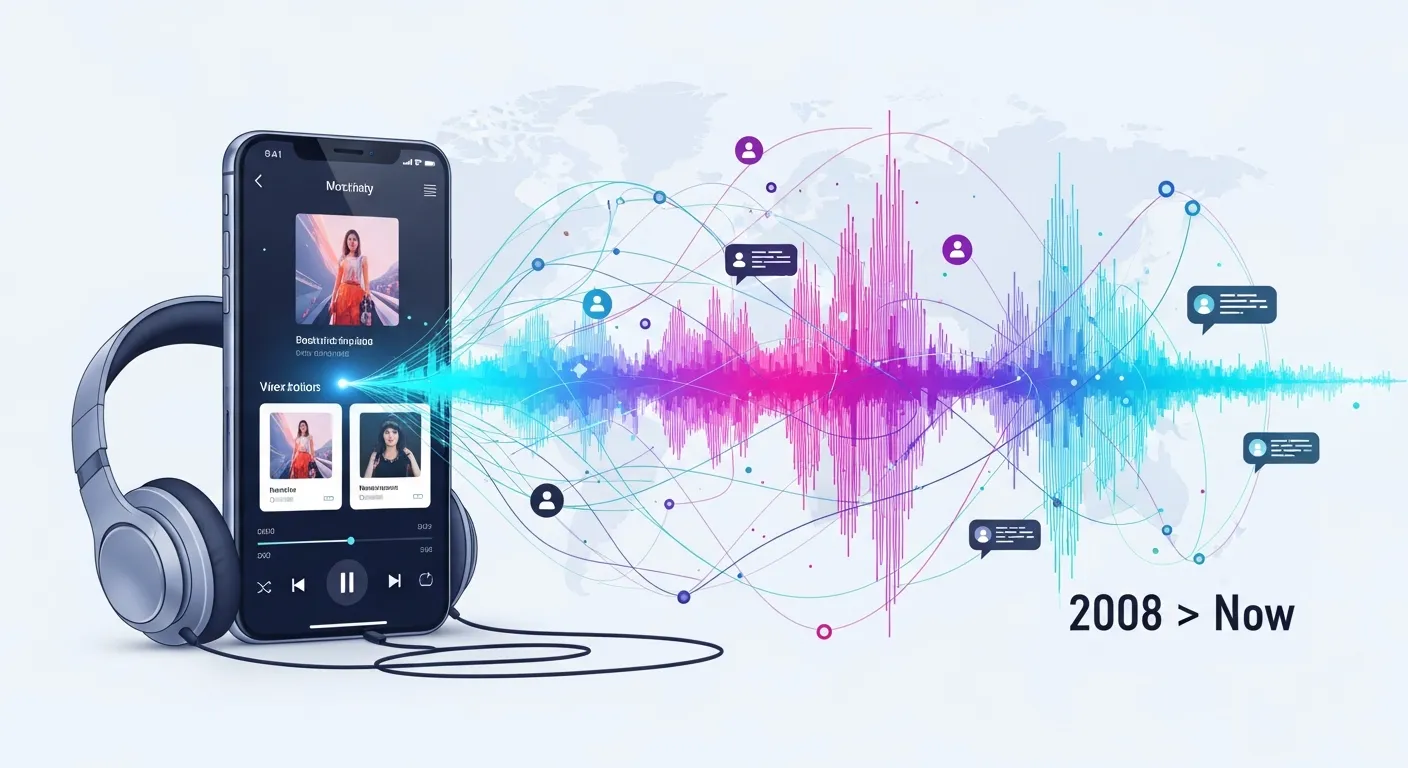
Radio streaming since 2008 transformed traditional broadcasting into a global, personalized digital experience, driven by mobile apps, AI, and internet access, reshaping music discovery, content creation, and listener engagement while expanding opportunities for artists and audiences.
Radio has always possessed a unique kind of magic. Long before screens dominated our attention, the simple act of tuning a dial connected millions of people to the same song, news broadcast, or thrilling sports commentary. That shared audio experience built communities and shaped cultural moments for decades. Even as technology advances at a rapid pace, the nostalgia and raw emotional connection tied to radio remain incredibly strong.
However, the way we experience this medium has fundamentally changed. The launch of mobile application stores and widespread broadband internet transformed radio from a localized broadcast into a global, personalized stream. Specifically, radio streaming since 2008 marked a major turning point for audio consumption. During this time, the foundations of modern online radio streaming were laid, shifting power from major broadcasting conglomerates directly into the hands of listeners.
This post examines how radio streaming since 2008 has reshaped the listening experience. We will explore the early days of digital audio, the pivotal technological shifts that made live radio streaming possible, and the massive impact this evolution has had on both the music industry and media landscape.
The Genesis: Pre-2008 Landscape
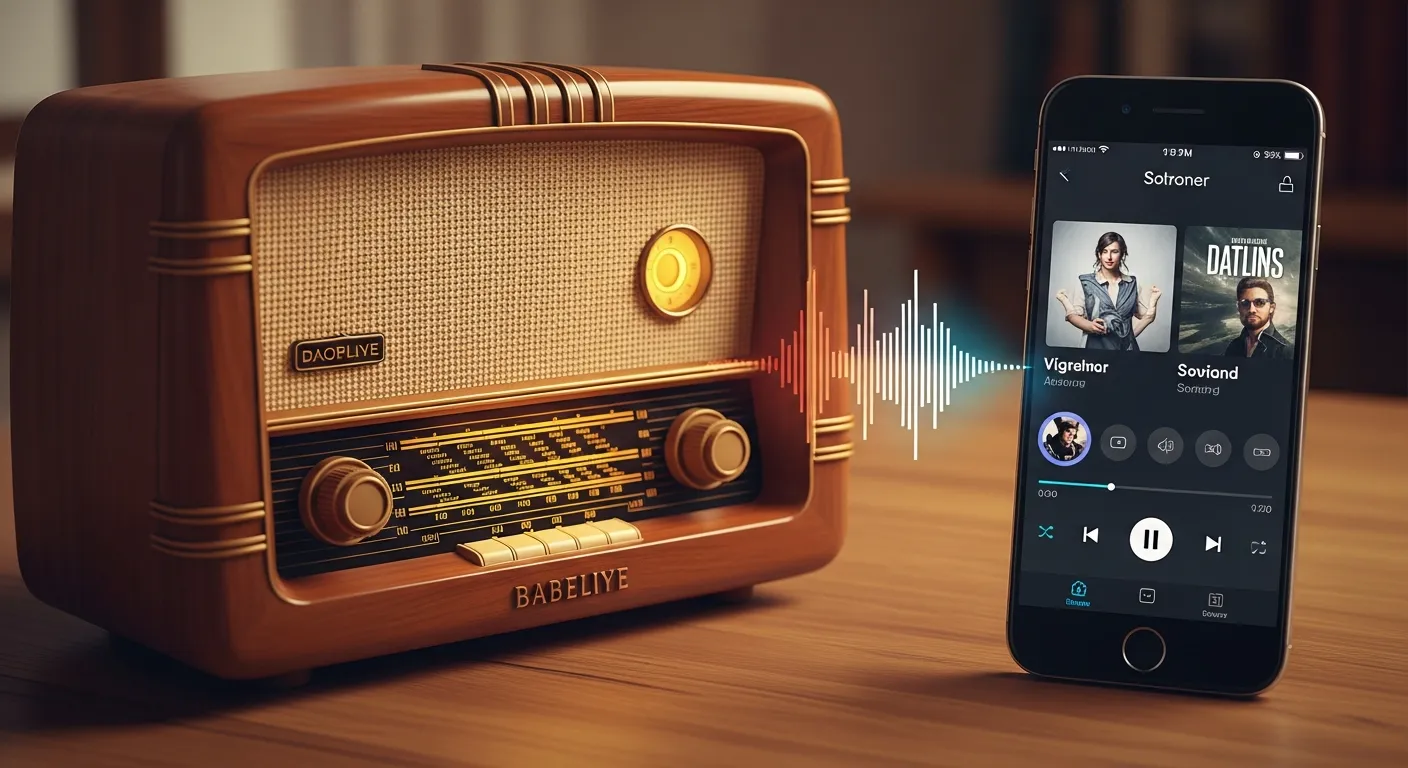
Long before algorithms curated our morning commutes, traditional terrestrial radio completely dominated the audio landscape. AM and FM dials were the absolute gatekeepers of music discovery and news dissemination. DJs held immense power, and getting a song on a popular local station was the primary way artists achieved commercial success. This era was defined by passive listening. You turned on the receiver, and you accepted whatever the station decided to play.
Early digital innovations began to challenge this model in the late 1990s and early 2000s. Nascent internet radio services allowed tech-savvy users to access broadcasts through their desktop computers. Programs like Winamp and RealPlayer offered early glimpses into a borderless audio world. Suddenly, someone in Tokyo could listen to a jazz station broadcasting from Chicago. Yet, these early streams were often plagued by slow buffering speeds, low audio quality, and the requirement of being tethered to a bulky desktop computer.
The Cultural Impact of Traditional Radio
Radio has always played a vital social role, bringing together people during crises, major events, or simply creating a sense of community around particular programs. Families would gather around their radios for the evening news or to enjoy serialized dramas. The power to reach mass audiences made radio a tool for influencers — from political leaders to pop-culture icons — helping shape public opinion and musical trends.
Even in urban and rural communities across the globe, access to radio was a democratizing force. It offered connectivity in places where television or the internet remained inaccessible. This powerful social function laid the foundation for the sweeping changes that would occur as online radio streaming became widespread.
2008: A Pivotal Year for Radio Streaming Since 2008
If you trace the lineage of modern audio consumption, radio streaming since 2008 stands out as a critical juncture. The introduction of the iPhone a year prior laid the groundwork, but it was the launch of the App Store in 2008 that truly catalyzed the digital revolution. Mobile technology stopped being just about phone calls and basic web browsing. Smartphones became powerful multimedia devices. Consumers could now download dedicated applications that enabled online radio streaming directly over cellular networks.
The Rise of Digital Radio Platforms
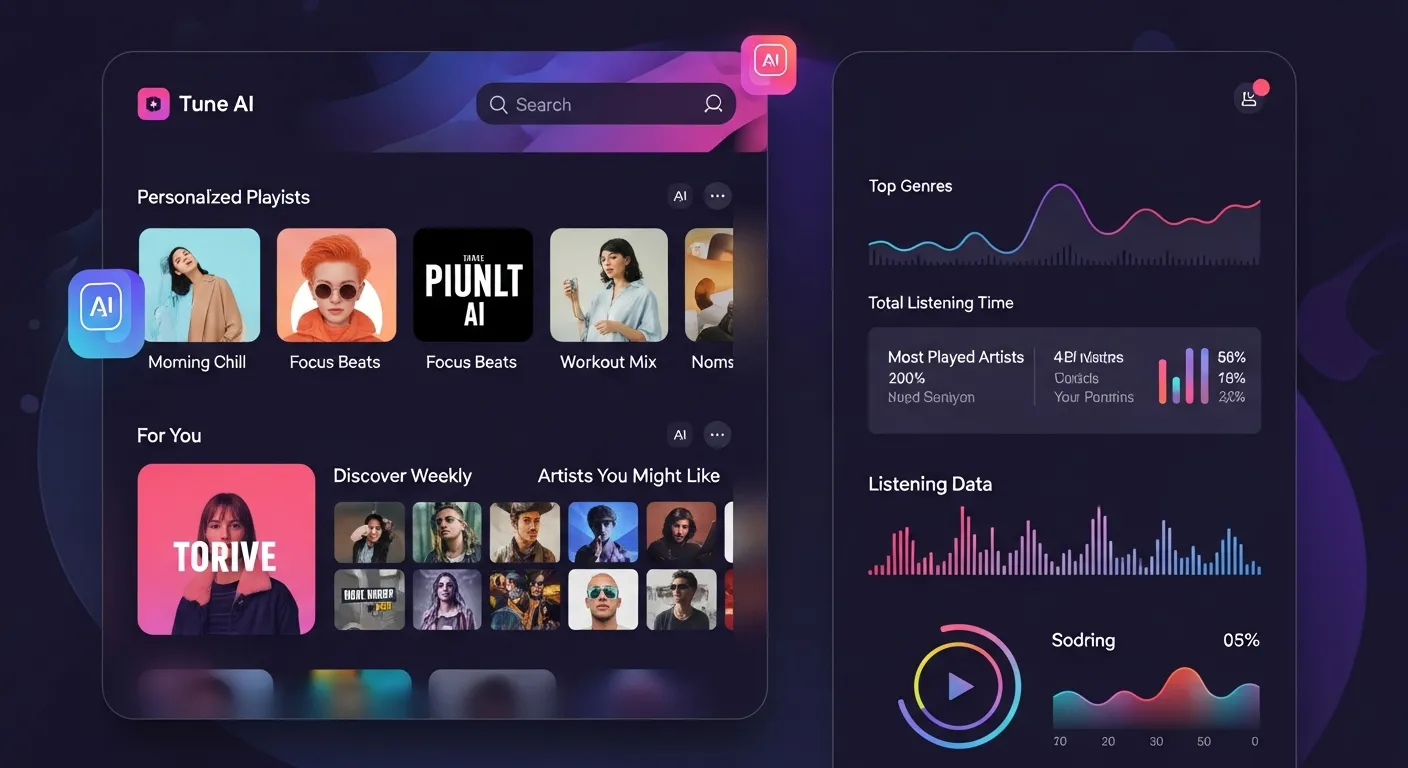
This same year saw the emergence of key digital radio platforms that would define the next decade of audio. Pandora, which had been developing its Music Genome Project for years, launched its mobile app and saw explosive growth. It offered personalized radio stations based on user preferences, a stark contrast to traditional FM radio.
Other players, such as Spotify, quickly entered the landscape, offering instant access to massive music libraries and cleverly curated playlists that blended the passive and active aspects of music consumption. Last.fm rose to prominence as well, combining streaming with powerful social features like profile-based recommendations and collective listening stats.
Technological advancements fueled this software boom. Broadband networks improved significantly, offering the bandwidth necessary for uninterrupted listening. Audio compression algorithms became highly efficient, allowing high-quality sound to be transmitted over limited cellular connections without destroying users’ data plans.
Accessibility and Inclusivity
One of the most remarkable aspects about radio streaming since 2008 is its ability to bridge the digital divide. As the cost of smartphone technology fell and broadband access expanded even to emerging markets, millions previously excluded from global media participated in the new digital audio landscape. Streaming apps became essential companions for commuters, students, and families, many of whom could tailor what they listened to with just a few taps.
The Evolution of Internet Radio Services
The years following 2008 witnessed a rapid and relentless evolution in how online radio streaming operated. The medium expanded far beyond its original boundaries, integrating new types of content and leveraging cutting-edge technology to keep listeners engaged.
Expansion of Content
Internet radio services quickly realized that music was only one piece of the audio puzzle. The rise of podcasts introduced a massive surge in spoken-word content. Shows covering true crime, comedy, politics, and history found massive audiences. Digital radio platforms integrated podcasts directly alongside music, essentially recreating the talk-radio format for an on-demand generation.
Podcasts have become a new form of storytelling, providing long-form content that allows niche subjects to find their voice and audience. Whether listeners are interested in learning about science, history, business, or exploring fictional universes, there is a podcast available for them. Some platforms, like Spotify and Apple Podcasts, have invested heavily in exclusive content to attract new subscribers, showing the growing importance podcasts hold in the digital radio paradigm.
Democratization of Broadcasting
Perhaps one of the biggest changes brought on by radio streaming since 2008 is the lower barrier to entry for creators. Anyone with a laptop and a microphone can launch their own internet radio service, station, or podcast. This created an explosion of independent voices, from local community leaders to global influencers who challenge mainstream media narratives.
Platforms such as Mixlr, Shoutcast, and even Twitch have enabled live radio streaming for countless small broadcasters. Passionate hobbyists, social movements, and music subcultures have all flourished, with online radio streaming empowering even the most niche interests.
Personalization and AI
Perhaps the most significant shift from traditional radio to radio streaming since 2008 was the introduction of hyper-personalization. Algorithmic recommendations began analyzing every skip, like, and replay. Digital radio platforms learned individual tastes and generated customized stations that evolved in real time. Broadcasters had to rethink their strategies, often asking themselves what is the purpose of your radio station to stay relevant in a personalized era. Instead of one DJ programming for a million listeners, AI acted as a million DJs programming for a million individual listeners.
User-Curated Experiences
Online radio streaming gave rise to playlists as a core method of music consumption. Now, listeners curate their own streaming journeys, sometimes becoming taste-makers in their own right. Spotify’s collaborative playlists or Apple Music’s sharing features allow users to interact and swap recommendations with friends and followers, further blurring the line between DJ and listener.
Social integration was also propelled by this technological leap. Platforms now enable sharing what you are listening to directly on social media, integrating live chats and comment sections with on-air broadcasts, and amplifying the sense of community around digital audio.
Accessibility and Ubiquity
Listening became a seamless, multi-device experience. You could start an online radio streaming station on your smartphone during a morning run, seamlessly transfer it to a smart speaker while making breakfast, and finish listening through your car’s dashboard interface on the way to work. This ubiquity broke down geographical barriers entirely. Local broadcasters could reach global audiences, and listeners were no longer restricted by the physical range of a transmitter.
Integration in Everyday Life
Digital radio platforms have become a fabric of daily routines — with smart speakers like Amazon Echo and Google Home, listeners simply “ask” for their favorite live radio streaming station or podcast. In vehicles, radio streaming since 2008 has redefined the driving experience, as internet-enabled radios and car infotainment systems have largely replaced CDs and standard AM/FM, bringing endless options to the dashboard.
Global Reach and Real-Time Interaction
For artists and creators, radio streaming since 2008 represents a dramatic global expansion. A DJ in Berlin can instantly reach ears in Bangkok or Buenos Aires, allowing cultural exchange and discovery at a scale never before seen. Live internet radio services, chat rooms, and direct-to-listener donation systems enable real-time interaction, forging direct relationships between broadcasters and their audiences.
The Impact on the Music and Media Industry
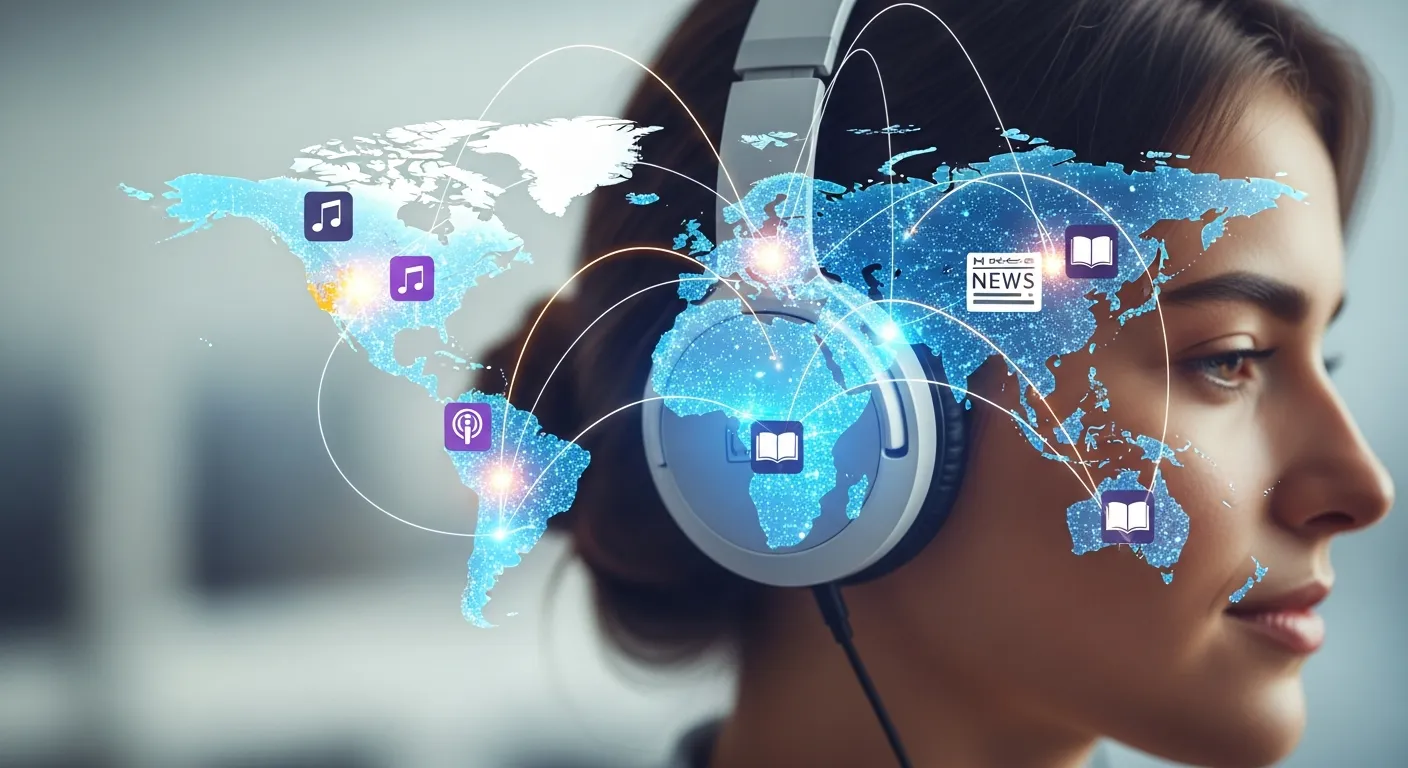
The transition to radio streaming since 2008 completely rewired the music industry. Artist discovery transformed entirely. Independent musicians no longer needed a major record label to bribe radio programmers to get airplay. A placement on popular digital radio platforms could catapult an unknown artist to global stardom overnight.
Changing Business Models
The economic landscape of internet radio services matured rapidly. The “freemium” model became the industry standard, allowing users to listen to ad-supported live radio streaming for free, or pay a monthly subscription fee to remove commercials and unlock on-demand features. Smaller digital radio platforms found innovative ways to monetize content, including merchandising, crowdfunding, and monetized live events.
Comparing Audio Eras
|
Feature |
Traditional Broadcast Radio |
Radio Streaming Since 2008 |
|---|---|---|
|
Delivery |
Analog radio waves (AM/FM) |
Digital internet connections |
|
Customization |
None (Curated by Station DJ) |
Highly personalized via AI |
|
Geography |
Limited by transmitter range |
Global access via internet |
|
Analytics |
Estimated listenership ratings |
Precise, real-time user data |
|
Monetization |
Broad, un-targeted commercials |
Targeted ads and subscriptions |
|
Content Choice |
Fixed schedule, predefined genre limits |
On-demand & multi-genre access |
|
User Engagement |
Call-ins, contests, minimal interaction |
Social features, likes, live chat |
Royalty Models and Artist Compensation
A significant debate that emerged with the era of radio streaming since 2008 concerns fair royalties for artists. While digital platforms offered new exposure, initial payout rates per stream were often lower than traditional radio’s blanket license agreements. Artists and rights groups continue to lobby for more transparency and improved compensation structures as the industry matures and more accurate data becomes available.
Audience Analytics and Music Trends
Online radio streaming and other digital platforms offer a wealth of data to artists, labels, and advertisers. Unlike traditional radio, where audience estimates rely on small sample sizes, streaming gives minute-by-minute play counts, demographic breakdowns, and listening habits. These analytics shape everything from tour planning to song promotion strategies and even influence songwriting trends.
Challenges for Traditional Broadcasters
Traditional broadcasters have been compelled to adapt or risk obsolescence. Many major radio networks have built their own online radio streaming platforms, offering hybrid channels and leveraging their DJ personalities in digital podcasts and livestreams. Competition from purely digital outlets has forced a reinvention and a return to locally relevant, community-driven content.
Key Features of Digital Radio Platforms
Not all internet radio services offer the exact same capabilities. When evaluating which platform to use for your online radio streaming, keep an eye out for these essential features:
- Algorithmic Curation: The system should learn your habits to improve future recommendations.
- High-Fidelity Audio: Look for digital radio platforms that offer lossless or high-bitrate streaming options.
- Offline Listening: The ability to download live radio streaming segments or playlists for times when you lack internet access.
- Cross-Device Syncing: Seamless transitions from your phone to your computer to your car.
- Social Integration: Features that allow you to share your favorite online radio streaming stations with friends.
- Smart Search: The most effective platforms support searching by mood, activity, genre, or even lyrics, making content discovery more intuitive than ever.
Specialized Features for Niche Communities
Platforms like NTS Radio and KEXP have carved out spaces for underground genres, experimental artists, and live set recordings, giving global exposure to sounds rarely heard on mainstream stations. Internet radio services like Radio Garden offer interactive globes, where users can spin a virtual planet and tune into real-time local music from anywhere.
The Future of Live Radio Streaming
The evolution of radio streaming since 2008 is far from over. As we look to the future, several exciting technological trends are poised to change how we consume internet radio services once again. AI and hyper-personalization will become even more sophisticated, potentially generating custom music or seamlessly blending news updates with music tailored perfectly to your heart rate or current activity.
Trends Shaping the Road Ahead
1. Spatial and Immersive Audio:
Three-dimensional and binaural recording formats are making audio listening much more immersive. Imagine attending a virtual concert or sitting “inside” a recording studio, all from your headphones. These advancements promise richer experiences and stronger emotional engagement with music and storytelling.
2. Integration with Smart Environments:
From smart refrigerators to voice-activated TVs, the future will likely see radio streaming since 2008 further embedded in daily life. Personalized audio briefings, location-aware playlists, and even context-sensitive soundscapes could be generated according to your mood, weather, or physical location.
3. Blockchain and Decentralized Broadcasting:
Innovative uses of blockchain could alter rights management, royalty payouts, and even the structure of platform ownership. Decentralized internet radio services might allow for more equitable splits between artists, curators, and listeners themselves, upending the centralized models of the early digital era.
4. Integration with Augmented and Virtual Reality:
As AR and VR technologies mature, internet radio could become a component of virtual meeting spaces, online education, and digital events. Imagine participating in a virtual music festival, tuning into exclusive VR radio shows, or “walking” through interactive audio environments.
Community and Storytelling
Despite these technological shifts, the enduring human need for shared experience and storytelling remains central. Radio streaming since 2008 is not just about advanced algorithms or lossless audio — it’s about forging and sustaining community, sharing moments, and discovering new ideas together.
Frequently Asked Questions
What exactly is radio streaming since 2008?
Radio streaming since 2008 refers to the digital delivery of continuous audio content over the internet, which exploded in popularity following the launch of mobile app stores. This era marked the shift from traditional AM/FM broadcasts to personalized, on-demand internet audio. It gave listeners unprecedented control over their music and talk shows.
How does online radio streaming work?
Online radio streaming works by transmitting audio data in small, continuous packets over the internet directly to your device. Instead of downloading an entire file before playing it, your device plays the data as it arrives. This allows you to listen to endless internet radio services without using massive amounts of storage space on your phone or computer.
What are digital radio platforms?
Digital radio platforms are software applications and websites that host and deliver internet-based audio content. These platforms organize millions of songs, podcasts, and live shows into accessible interfaces. They use complex algorithms to analyze your listening habits and suggest new content tailored precisely to your unique tastes.
Can I listen to live radio streaming globally?
Yes, one of the biggest advantages of modern audio technology is the removal of geographical barriers. You can easily access live radio streaming from almost anywhere in the world as long as you have an internet connection. This makes it incredibly easy to follow local news from your hometown or discover international music genres.
Are there internet radio services for learning languages?
Absolutely. Many people use specialized internet radio services to immerse themselves in foreign languages. For example, you can easily find French internet radio stations for language learners to improve your vocabulary and listening comprehension. It is a highly effective and entertaining way to study.
Is online radio streaming free?
Many digital radio platforms offer free tiers that are supported by audio and visual advertisements. However, if you want an uninterrupted experience, most internet radio services offer premium monthly subscriptions. These paid tiers remove ads and often unlock better audio quality and offline listening features.
How did radio streaming since 2008 impact artists?
Radio streaming since 2008 democratized the music industry by allowing independent artists to bypass traditional record labels and radio DJs. Musicians can now upload their tracks directly to digital radio platforms to reach global audiences. However, it also sparked ongoing debates about royalty rates and fair compensation for digital streams.
Do I need high-speed internet for live radio streaming?
While high-speed broadband provides the best experience, modern audio compression allows live radio streaming to work well on standard cellular networks. Most digital radio platforms automatically adjust the audio quality based on your current connection speed. This ensures your stream continues playing smoothly without buffering, even if your signal drops slightly.
What is the difference between podcasts and online radio streaming?
Podcasts are pre-recorded, on-demand audio files that you can listen to at any time, usually focusing on specific topics or narratives. Online radio streaming typically refers to a continuous, unending broadcast of music or live talk, similar to traditional radio. However, many modern digital radio platforms now blend both formats into a single app interface.
Will traditional radio survive the rise of internet radio services?
Traditional radio still holds value for local news, emergency broadcasts, and community connection, but it is rapidly adapting. Many conventional stations now offer their own live radio streaming feeds through websites and apps. To survive long-term, traditional broadcasters are integrating the digital capabilities of internet radio services into their existing business models.
Radio streaming since 2008 has been a catalyst for innovation, community-building, and creative empowerment. As we look ahead, one thing remains certain: our love of audio is only growing deeper—and no matter the platform, the fundamental joy of shared sound endures.