

This guide explains how mood-based radio uses AI, behavioral data, and music psychology to create personalized listening experiences. It explores emotional audio technology, recommendation systems, productivity benefits, privacy concerns, and the future of hyper-personalized music streaming platforms.
Have you ever noticed how a single song can completely shift your state of mind? One moment you feel sluggish, and the next, a heavy bassline has you tapping your foot, ready to tackle the day. Music holds immense power over our emotions. It acts as an invisible force that guides our feelings, thoughts, and even physical reactions.
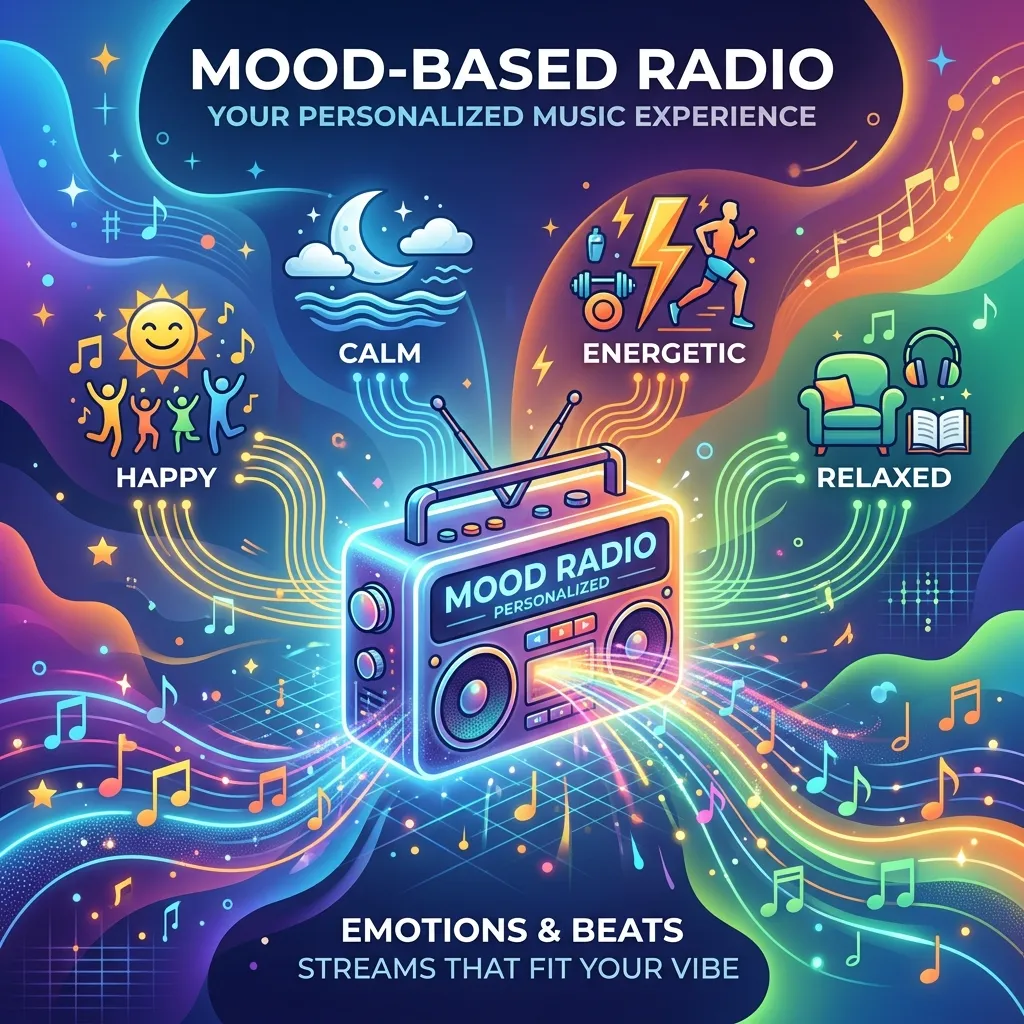
This natural connection between sound and emotion has given rise to a fascinating innovation: mood-based radio. Instead of sorting music by genre or release date, mood-based radio curates playlists based on how you feel or how you want to feel.
The concept of personalized music is not entirely new. Radio DJs have historically crafted sets for late-night relaxation or high-energy morning commutes. Technology has transformed this human intuition into a highly sophisticated system. By leveraging advanced algorithms and behavioral data, mood-based radio creates a dynamic, hyper-personalized listening experience. This post explores the mechanics of mood-based radio, the science of sound, the underlying technology, and what the future holds for emotional audio curation.
The Science Behind Mood and Music
Music is much more than background noise. It is a complex sequence of sound waves that interacts directly with our brains, influencing our biology in profound ways. When we examine mood-based radio, we must first look at the biological and psychological foundations that make mood-based music so incredibly effective.
Psychological and Neurological Effects
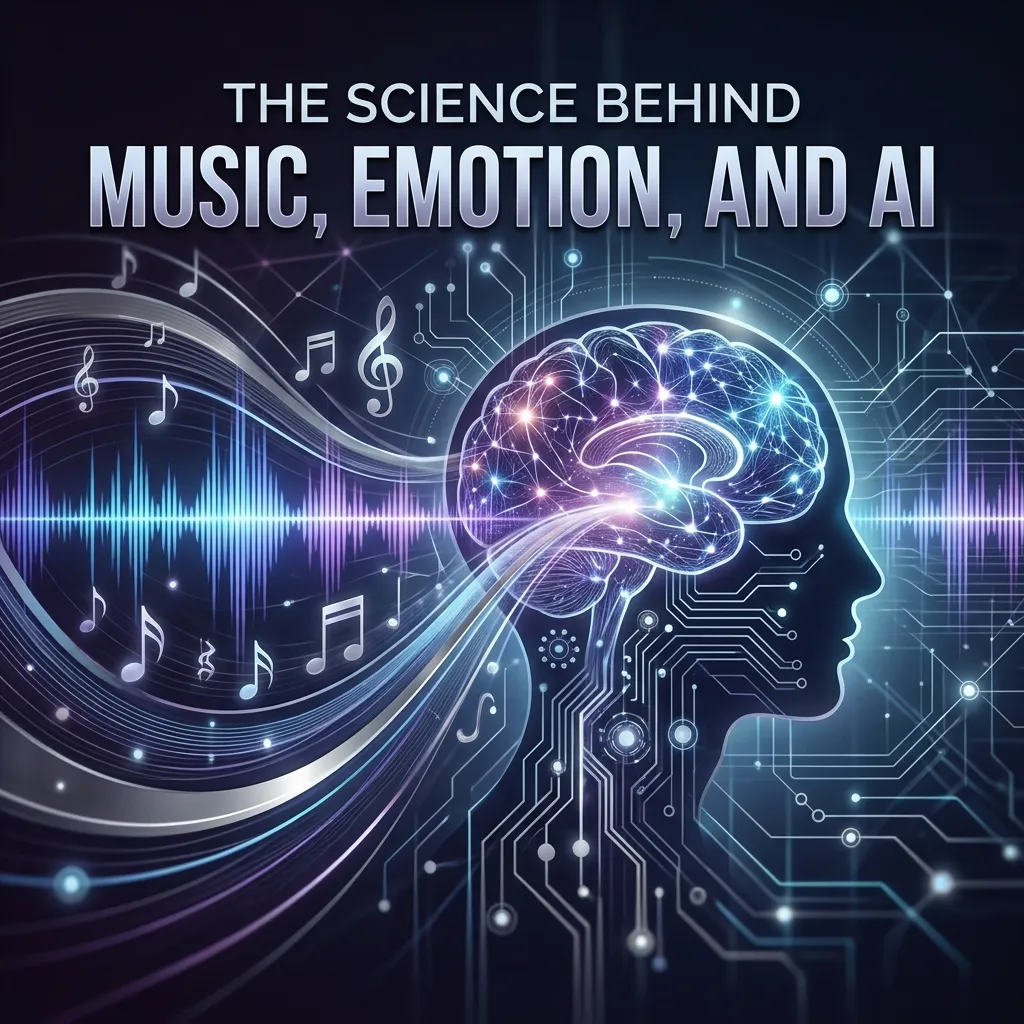
When you listen to a song, your brain processes various elements like tempo, rhythm, melody, and harmony. Fast tempos often trigger the release of dopamine and adrenaline, boosting your energy levels and alertness. Slow, harmonic melodies can reduce cortisol levels, helping your body relax and unwind. Different chords and scales activate different neural pathways, meaning your brain is constantly analyzing and reacting to the acoustic environment. Mood-based radio takes advantage of these specific triggers. By analyzing these neurological reactions, a sophisticated online radio app can push the exact frequencies needed to alter your brain chemistry positively.
Regulating Emotions and Stress
People naturally use music to regulate their emotions. You might play an upbeat pop anthem to motivate yourself for a workout, or choose soothing acoustic tracks to wind down after a long day. Music provides a safe space to process complex feelings. Listening to a sad song when you feel down can actually provide comfort, validating your emotional state and helping you release pent-up tension. Mood-based radio acts as a digital companion in this process. When you select a specific emotional state on your personalized music streaming service, mood-based radio actively works to stabilize or elevate your current mindset.
Individual Preferences and Culture
Musical interpretation remains highly subjective. A heavy metal track might energize one person while causing intense stress for another. Cultural background also plays a significant role in how we perceive certain scales and rhythms. A melody considered joyous in one culture might sound mournful in another. Mood-based radio must account for these personal and cultural variances to succeed on a global scale. Therefore, the best mood-based radio algorithms do not just look at the song; they look deeply at the listener’s historical data to ensure accuracy.
How Mood-Based Radio Works
Creating a playlist that perfectly matches human emotion requires a delicate blend of user data and sophisticated programming. Mood-based radio does not just guess what you want to hear; it uses a highly calculated approach.
Collecting the Right Data
The foundation of any mood-based platform is data collection. Streaming services monitor your listening history, track skips, and the specific time of day you play certain genres. Some experimental platforms even use physiological data from smartwatches, such as heart rate and body temperature, to gauge your current physical state. Every interaction you have with your online radio app feeds the mood-based radio ecosystem.
The Role of Implicit and Explicit Data
Data comes in two forms. Explicit data is when you actively select a “happy” or “focus” playlist. Implicit data is what the mood-based radio system learns when you skip a slow song on a Tuesday morning. Both are vital for AI music recommendations to function correctly.
Artificial Intelligence and Mood Detection
Machine learning algorithms do the heavy lifting behind the scenes of mood-based radio. They analyze millions of tracks, breaking them down by audio features like timbre, pitch, and acoustic energy. Natural Language Processing (NLP) tools scan lyrics for emotional keywords, determining if a song’s narrative is joyful, melancholic, or aggressive. The system also factors in your immediate context. A rainy Tuesday morning might prompt an entirely different mood-based radio recommendation than a sunny Friday afternoon.
Powering the Recommendation Engine
Once the system understands both the song’s emotional profile and your current context, the recommendation engine steps in. It matches your presumed mood with the perfect sequence of tracks. Over time, these mood-based radio engines learn from your explicit and implicit feedback. Every time you skip a track or save a song to your library, the algorithm adapts to your specific, evolving tastes, making mood-based radio smarter with every play.
Key Features and Benefits for Users
Listeners are migrating toward mood-centric playlists in massive numbers. The advantages of using mood-based radio extend far beyond simple convenience.
An Enhanced Listening Experience
Mood-based radio ensures you always have the right music for the moment. You avoid the jarring experience of a loud rock song interrupting a quiet study session. The audio environment becomes a seamless extension of your current activity, enhancing whatever you are doing. Because mood-based radio focuses on the continuous flow of feeling, the transitions between songs feel incredibly natural and rewarding.
Boosting Productivity and Focus
Many users rely on mood-based streams to maintain concentration during work hours. Lo-fi beats, classical music, and ambient soundscapes are incredibly popular for deep work. These carefully curated audio streams help listeners block out distracting background noise and stay focused on complex tasks for longer periods. When you utilize mood-based radio for concentration, you actively design a workspace optimized for output.
Emotional Well-being and Discovery
Tailored audio can significantly reduce daily stress. Finding the right calming music acts as a form of accessible, passive therapy. Mood-based radio algorithms also excel at introducing you to new artists. Because the focus rests on emotional resonance rather than specific genres, you might discover an electronic track you love, even if your library consists mostly of acoustic folk. This makes mood-based radio a powerful tool for musical discovery.
Technologies Powering Mood-Based Radio
The seamless experience of pressing play and feeling understood relies on a massive, complex technological infrastructure. Mood-based radio depends on cutting-edge computer science to deliver its magic.
AI, Deep Learning, and Reinforcement
Artificial Intelligence serves as the core driver of emotional curation in mood-based radio. Deep learning models analyze raw audio signals to classify tracks with incredible precision. Reinforcement learning allows the system to improve continuously. The AI treats your engagement metrics as a scoring system, constantly refining its understanding of your preferences based on how you interact with the app. This is how AI music recommendations become eerily accurate.
Big Data and Cloud Computing
Understanding the habits of millions of users requires extensive Big Data analytics. Cloud computing ensures this massive amount of data is processed in real-time. Without cloud infrastructure, mobile devices would quickly become overwhelmed by the processing power required to analyze and stream personalized audio simultaneously. Mood-based radio simply cannot exist without robust cloud servers handling millions of computations per second.
Wearable Integration and Data Privacy
As biometric devices become more common, some platforms are testing health integrations to better predict mood. Tracking a spike in heart rate could prompt a mood-based radio platform to suggest calming music. This level of data collection raises critical ethical considerations. Protecting user data and ensuring strict privacy protocols is a major responsibility for streaming companies handling such intimate information.
The Current Landscape and Major Players
Several companies are currently competing to perfect emotional audio curation, offering varied approaches to the same goal of dominating the mood-based radio market.
Leading Streaming Platforms
Spotify and Pandora are well-known for their mood-based features. Spotify’s algorithm uses extensive metadata tags and behavioral tracking to generate endless mixes for categories like “Focus,” “Chill,” or “Workout.” These major platforms rely on their massive user bases to constantly train and improve their mood-based radio recommendation models.
Specialized Audio Apps
Smaller services focus entirely on functional audio rather than traditional music consumption. Apps like Endel generate real-time, personalized soundscapes designed specifically to help you sleep, relax, or concentrate. They use local inputs like weather conditions and circadian rhythms to alter the audio generation on the fly, offering a highly specialized form of mood-based radio.
Effectiveness and Adoption
While major platforms offer great variety and familiar songs, specialized apps often provide a more scientifically grounded approach to mood alteration. User adoption across both categories is growing rapidly as consumers seek out media that serves a specific functional purpose in their daily routines. Mood-based radio is quickly becoming the default method for audio consumption worldwide.
Challenges and Limitations
Despite the impressive technological leaps, mood-based radio still faces several notable hurdles that developers must overcome.
Accuracy and Subjectivity
Detecting human emotion remains notoriously difficult. Algorithms sometimes misinterpret a user’s mood entirely, resulting in poor or frustrating recommendations. Because music is inherently subjective, a song categorized objectively as “happy” by an AI might evoke deep sadness in a listener due to a specific personal memory associated with the track. Mood-based radio struggles with these highly personal emotional attachments.
Privacy Concerns and Human Curation
Users are increasingly wary of how their personal data is harvested and monetized. Trust is essential if platforms want to successfully incorporate biometric inputs into their algorithms. There is also a distinct risk of over-relying on machines. Human curation offers a level of empathy, cultural understanding, and storytelling that machines currently lack. Striking a balance between AI and human touch is critical for the future of mood-based radio.
The Evolution of Live and Immersive Music Experiences
As mood based radio continues to personalize our daily listening habits, the way we experience music in live settings is also undergoing a massive transformation. The intersection of personalized audio and immersive visual technology is creating entirely new entertainment paradigms. Imagine listening to your favorite mood-based radio station and then stepping directly into a virtual environment that perfectly matches the audio atmosphere. You can learn more about this incredible technological leap by exploring virtual reality concerts as the future of live music to see how audio and visual elements are merging. This blend of mood based radio algorithms with virtual environments creates a multisensory experience that adapts to your feelings in real-time.
- Real-time adaptation: Visuals change based on the tempo and mood of the current track.
- Total immersion: Listeners can physically explore environments generated by their mood-based radio choices.
- Global accessibility: Fans can enjoy deeply personalized live sets from their own living rooms.
- Enhanced emotional connection: The combination of personalized music streaming and immersive visuals deepens the psychological impact of the music.
Comparing Audio Experiences
|
Experience Type |
Level of Personalization |
Visual Component |
Main Technology Used |
|---|---|---|---|
|
Traditional Radio |
Very Low |
None |
FM/AM Broadcasting |
|
Mood-Based Radio |
Very High |
App Interface |
AI Music Recommendations, Big Data |
|
Virtual Concerts |
Medium to High |
Fully Immersive 3D |
VR Headsets, Spatial Audio |
The Future of Mood Based Radio
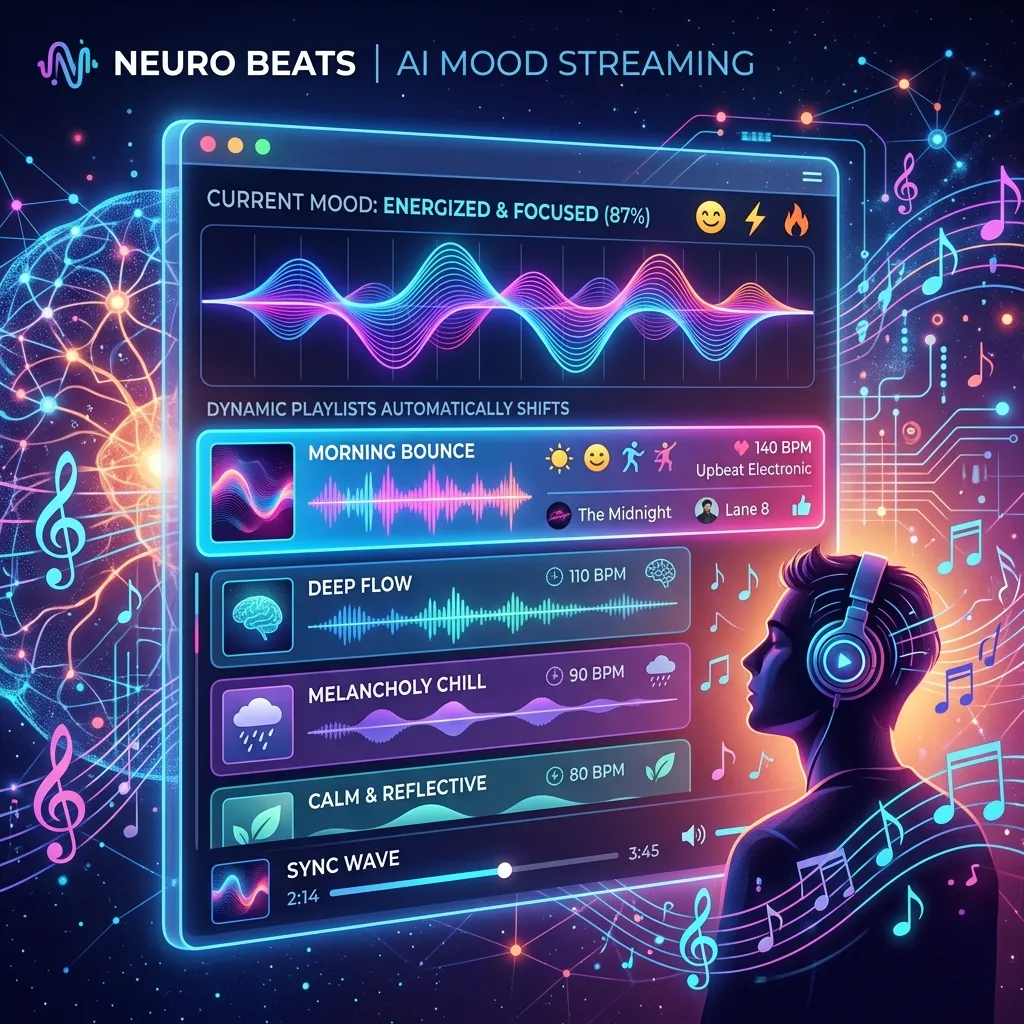
As hardware and software evolve, the way we interact with mood-based audio will transform entirely. The future of mood-based radio looks incredibly promising and deeply integrated into our lives.
Smart Homes and Hyper-Personalization
Future systems will likely integrate deeply with smart home devices and the Internet of Things (IoT). Your home could automatically adjust lighting, room temperature, and mood based radio stations based on your vocal tone or body language when you walk through the front door. This hyper-personalization means the mood-based radio system might anticipate your emotional needs before you consciously recognize them yourself.
Therapeutic Applications and Ethical AI
Mood-based radio holds strong potential in clinical and therapeutic settings. It could soon support mental health treatments by providing tailored auditory environments for patients dealing with anxiety or depression. As AI develops a deeper emotional understanding of human behavior, the music industry must establish robust ethical frameworks. Ensuring these powerful psychological tools within mood-based radio are used responsibly will be critical for the future of the technology.
Harnessing the Power of Emotional Audio
Mood based radio represents a massive shift in how we consume audio. It moves music from a passive background element to an active participant in our emotional well-being. By blending artistic expression with advanced machine learning, these platforms offer an incredibly personalized way to navigate the ups and downs of daily life.
As algorithms grow smarter and biometric integrations become more refined, the connection between what we feel and what we hear will only grow stronger. Next time you open your favorite streaming app, try exploring playlists based entirely on how you want to feel. You might be surprised by how accurately the right sequence of songs on a mood based radio station can transform your entire day.
Frequently Asked Questions About Mood-Based Radio
What exactly is mood-based radio?
Mood-based radio is an advanced form of personalized music streaming that curates playlists based on a listener’s current emotional state rather than traditional genres. It uses AI music recommendations to analyze audio features and match them with how you want to feel. This ensures your listening experience perfectly aligns with your specific daily activities and emotional needs.
How does an online radio app know my mood?
An online radio app determines your mood by analyzing your listening habits, the time of day, and how often you skip certain types of tracks. Some advanced platforms even use location data or integrate with smartwatches to measure physiological signs like heart rate. The mood based radio algorithm uses this combined data to predict what music will best suit your current state of mind.
Can mood-based music actually reduce my stress levels?
Yes, listening to specific mood-based music has been scientifically proven to lower cortisol levels and significantly reduce stress. When a mood-based radio algorithm selects tracks with slow tempos and harmonic melodies, it physically calms your nervous system. Many people use these personalized streams as a daily tool for anxiety management and mental relaxation.
Do I need a special device to use mood-based radio?
You do not need any special hardware to enjoy mood-based radio; a standard smartphone or computer works perfectly. Most major music streaming platforms already feature built-in mood based radio sections within their standard applications. However, connecting wearable devices can provide the AI with more accurate data for better recommendations.
How do AI music recommendations differ from standard playlists?
Standard playlists are usually curated by humans based on a specific theme, era, or genre, and remain static for all listeners. AI music recommendations in mood-based radio adapt dynamically in real-time based on your unique behavior and listening history. This means a mood based radio playlist is unique to you and changes as your tastes evolve.
Is mood-based radio effective for studying or working?
Mood-based radio is highly effective for deep work and intense study sessions because it provides a consistent, non-distracting audio environment. Algorithms specifically select tracks without jarring transitions or distracting lyrics to help you maintain continuous focus. Many users find that setting their mood based radio to “concentration” drastically improves their daily productivity.
Does mood-based radio track my private data?
To function correctly, mood based radio does track your listening habits, the times you are active on the app, and your physical location in some instances. Reputable platforms anonymize this data to protect your identity, but privacy remains a valid concern for many users. You can usually adjust your privacy settings within your online radio app to limit data sharing.
Can mood-based radio help me discover new artists?
Absolutely, mood-based radio is one of the best tools for organic musical discovery available today. Because the algorithm prioritizes the emotional tone of a song over its popularity or genre, it often pulls in lesser-known artists that perfectly match your desired vibe. This allows you to expand your musical horizons naturally without actively searching for new bands.
What happens if the algorithm guesses my mood wrong?
If a mood based radio platform suggests the wrong type of music, you simply skip the track or explicitly tell the app you dislike the song. The AI immediately registers this negative feedback and adjusts the upcoming queue to better align with your actual preferences. Over time, these minor corrections make the mood-based radio system incredibly accurate.
Will mood-based radio eventually replace human DJs?
While mood-based radio offers incredible personalization and convenience, it is unlikely to replace human DJs entirely. Human curators provide valuable cultural context, storytelling, and a sense of shared community that AI simply cannot replicate. Instead, mood based radio will continue to exist alongside traditional broadcasting, offering listeners the best of both worlds.