
Launching an online radio station has never been more accessible than it is today. In today’s digital landscape, content creators and audio enthusiasts are tapping into the power of streaming to reach global audiences, build communities, and share their passions. Whether you’re drawn to eclectic music mixes, in-depth interviews, or topical talk shows, establishing a captivating presence requires a blend of strategic planning and technical savvy. This year (2026), the barriers to entry continue to lower as affordable tools and platforms emerge, making it easier than ever to broadcast your voice.
However, standing out among thousands of existing internet radio services means defining your unique value proposition, maintaining a reliable schedule, and ensuring top-notch audio quality. By focusing on the fundamentals—audience research, content organization, robust streaming infrastructure, and legal compliance—you’ll set your online radio station on the path to sustainable growth. In this comprehensive guide, you’ll discover actionable steps and trusted resources to help you launch and manage a thriving internet radio channel that resonates with listeners and meets industry standards. Let’s dive in and explore how to transform your vision into a polished broadcast that listeners can’t resist.
Identifying Your Target Audience and Niche
Before flipping the virtual switch on your online radio station, it’s essential to pinpoint who you’re trying to reach. Defining a clear niche not only differentiates your station from the competition but also shapes every aspect of your programming, marketing, and branding. Start by surveying potential listeners on social media platforms like Twitter and Facebook. Ask followers to vote on themes, genres, or interview topics, and use their feedback to narrow down your station’s focus.
Beyond social polls, analyze listener preferences using free tools such as Google Trends and Reddit communities related to your chosen genre. By observing discussions in specialized forums—whether it’s jazz aficionados on r/Jazz or indie movie buffs on r/FilmNoir—you can glean insights into the subtopics that motivate audience engagement. Incorporate these findings into your station’s mission statement and tagline to strike the right chord from day one.
Consider partnering with fan clubs, hobbyist associations, or university radio societies for collaboration and cross-promotion. Universities often maintain archival studies on media consumption habits—check resources at the University of Illinois Digital Library for relevant research. These alliances can help you cultivate a dedicated listener base and validate your format choices. Ultimately, an online radio station that speaks directly to a well-defined audience will see higher retention rates and stronger word-of-mouth referrals.
Plan and Organize Your Programming Schedule

Consistency is a cornerstone of listener loyalty. Building a robust content calendar ensures that your online radio station remains fresh and engaging, preventing last-minute scrambling and potential downtime. Begin by mapping out a weekly schedule that allocates time slots for signature shows, special segments, and guest interviews. Use spreadsheet tools such as Google Sheets or Airtable to visualize your lineup and color-code different program categories.
Integrate seasonal themes and community events to keep content relevant. In today’s connected world, aligning your schedule with product launches, festivals, holidays, and trending topics can boost listener engagement. For instance, dedicate one hour each week to a “Local Spotlight” segment featuring interviews with hometown artists or business owners. This approach not only deepens bonds with local communities but also opens doors for sponsorships.
Advanced planning also allows you to balance live broadcasts with pre-recorded shows, optimizing your workload. If you’re hosting multiple time zones, consider asynchronous content delivery or on-demand archives so international listeners can tune in conveniently. Many streaming platforms offer automated scheduling features—utilize these tools to queue shows, insert station IDs, and trigger ad breaks without manual oversight. A well-structured program guide signals professionalism and reliability, essential qualities for any successful internet radio channel.
Build the Technical Backbone: Streaming Platforms and Tools
Selecting the right streaming platform forms the technical foundation of your online radio station. Evaluate services based on features such as bandwidth capacity, concurrent listener support, monetization options, and analytics dashboards. Platforms like Radio.co and Live365 stand out for their user-friendly interfaces and comprehensive toolsets. Alternatively, if you prefer open-source solutions, Shoutcast and Icecast offer customizable hosting with community support.
Important criteria include mobile compatibility and embedding options. Ensure your chosen provider offers responsive web players, iOS and Android apps, and straightforward code snippets for site integration. Real-time analytics are equally vital: track metrics such as listener count, peak listening hours, geographic distribution, and average session length. These insights guide programming tweaks and advertising strategies.
Security and scalability matter too. Look for providers that employ SSL encryption to protect your stream and accommodate listener growth seamlessly. If you anticipate spikes during special events, verify that your plan can auto-scale bandwidth without service interruptions. Consult technical documentation on the FCC’s official site (fcc.gov) for guidelines on maintaining broadcast quality and compliance. With the right platform in place, your online radio station can deliver a consistently smooth listening experience.
Elevate Audio Quality: Equipment and Production Techniques
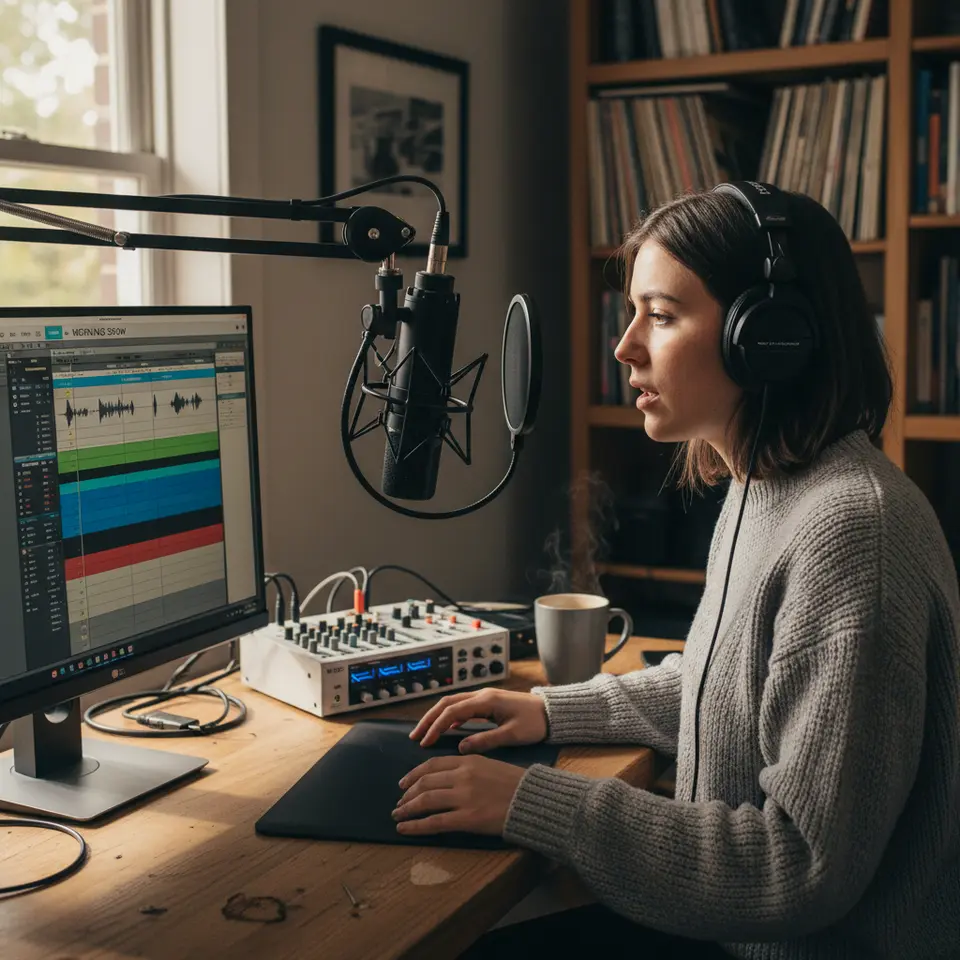
Audio fidelity is a defining factor in listener satisfaction. Even if you’re working with a modest budget, investing in key gear will significantly enhance your station’s professionalism. Start with a high-quality USB condenser microphone from reputable brands like Audio-Technica or Rode. Pair it with closed-back studio headphones to monitor sound isolation accurately during both live and recorded sessions.
If you’re serious about audio engineering, upgrading to an XLR microphone and audio interface unlocks finer control over gain staging and sound processing. Interfaces such as the Focusrite Scarlett series offer low-latency performance and built-in preamps, making them ideal for live streaming. Add a pop filter and shock mount to reduce plosives and vibrations, and incorporate a small mixer if you plan to handle multiple audio sources—such as guest callers, background music, and sound effects—simultaneously.
On the software side, digital audio workstations (DAWs) like Reaper or Audacity (open-source) allow you to edit pre-recorded segments, apply noise reduction, and fine-tune levels. For live broadcasts, consider a dedicated broadcasting application such as BUTT (Broadcast Using This Tool) or Mixxx, which let you schedule jingles, manage live inputs, and transition smoothly between segments. Additionally, mastering plugins for compression and equalization help maintain consistent volume and tonal balance across all programs. High-quality production signals credibility and keeps your audience coming back.
Monetize and Grow: Strategies for Revenue and Expansion
Turning passion into profit requires a multi-pronged monetization approach. Sponsorships and advertising remain time-tested revenue sources: pitch local businesses, online retailers, or industry brands that align with your station’s niche. Create sponsor packages that include on-air mentions, banner placements on your website, and dedicated social media shout-outs. Clearly defined rate cards and listener demographics data will bolster your sales proposals.
Membership and subscription tiers present another avenue. Platforms like Patreon allow you to offer exclusive perks—such as ad-free listening, bonus podcasts, early access to interviews, or station merchandise—in exchange for a monthly contribution. This model fosters a deeper community connection and predictable income. Affiliate marketing is also effective: partner with audio equipment vendors or music services, embedding affiliate links in your show notes or website for commissions on referrals.
Finally, leverage data-driven optimization. Regularly review your analytics to identify high-performing shows, peak listener hours, and engagement trends. A/B test different content formats, ad placements, or segment lengths to see what resonates best. As your audience scales, consider adding co-hosts to diversify perspectives and open up additional programming channels. Cloud-based automation tools can handle routine tasks like show logging, social posting, and transcription, freeing you to focus on creative growth. By combining strategic monetization with continual refinement, your online radio station can thrive in today’s competitive audio ecosystem.
FAQ
- What equipment do I need to start an online radio station?
At minimum, you’ll need a quality USB or XLR condenser microphone, headphones, and a streaming platform. Upgrading to an audio interface and mixer provides more control over your sound. - How do I choose the right streaming platform?
Compare factors like listener capacity, analytics, monetization options, and mobile compatibility. Popular options include Radio.co, Live365, Shoutcast, and Icecast. - Do I need a broadcasting license?
Licensing requirements vary by country and content type. Consult your local regulatory agency and use resources like the FCC’s online radio guidelines to ensure compliance. - How can I grow my listener base?
Define a clear niche, promote on social media, collaborate with related communities, and maintain a consistent schedule. Leveraging analytics helps refine content and marketing strategies. - What are effective monetization strategies?
Sponsorships, advertising, subscriptions (e.g., Patreon), affiliate marketing, and merchandise sales are common approaches. Data-driven rate cards and packages enhance sponsor appeal.
Conclusion
Building a standout online radio station this year (2026) is both an art and a science. From carving out a distinct niche and devising a strategic content calendar to selecting the ideal streaming infrastructure and refining audio production, each step lays the foundation for sustained success. By embracing best practices in legal compliance, equipment investment, and monetization, you’ll foster a vibrant community of engaged listeners and unlock multiple revenue streams.
In today’s digital landscape, adaptability is key. Continually monitor your analytics, solicit feedback from your audience, and experiment with new formats or monetization tactics to stay ahead of the curve. With dedication, creativity, and the right roadmap, your online radio station can evolve into a trusted destination for listeners worldwide. Now is the moment to blend your passion with strategy and make your unique voice heard on the airwaves.