
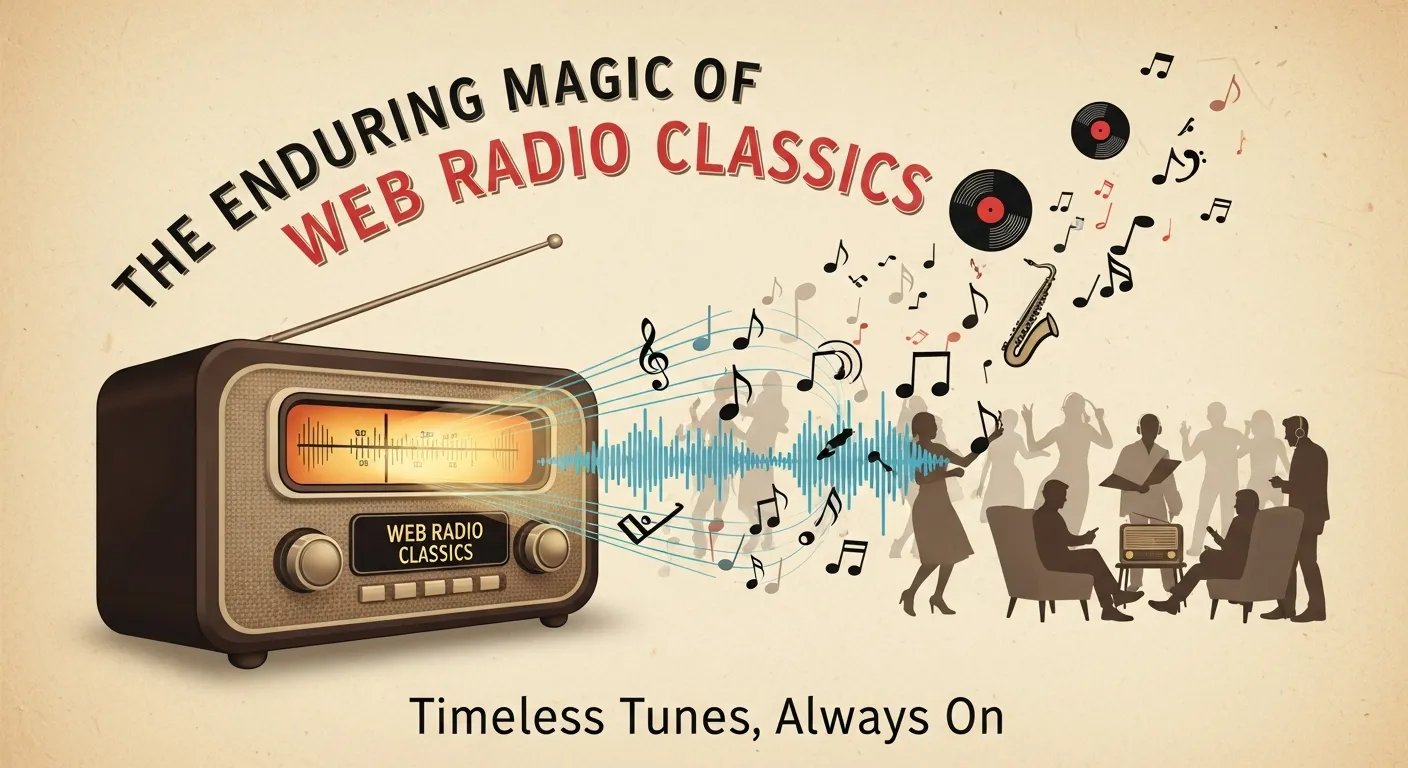
Web radio classics represent the golden age of internet broadcasting, offering human-curated music, a global community, and nostalgic discovery. Unlike algorithmic streaming, they preserve authentic DJ-driven experiences and continue to thrive in modern digital culture.
Long before algorithmic playlists dictated our daily listening habits, the internet served as a wild frontier for authentic audio discovery. Clicking a link to open a tiny media player and waiting for a buffer to clear felt like tapping into a secret global frequency. This was the dawn of web radio classics, a digital phenomenon that transformed how we consume, share, and experience music across the globe.
Online broadcasting started as a grassroots movement. Independent enthusiasts and tech-savvy digital DJs realized they could bypass traditional FM towers and broadcast their curated sounds directly to anyone with a dial-up connection. From scratchy audio streams in the early days of the web to high-fidelity networks now, internet broadcasting has evolved dramatically. Yet, the core appeal remains unchanged: real people sharing music they love with a dedicated audience.
Web radio classics continue to thrive because they offer something algorithmic giants often miss entirely. They provide a human touch, a sense of community, and the thrill of serendipitous discovery. When you tune into a legacy internet stream, you connect with a curator’s distinct vision. This guide explores the history, cultural impact, and ongoing evolution of web radio classics, showing exactly why these digital stations still matter.
The Golden Age of Web Radio Classics
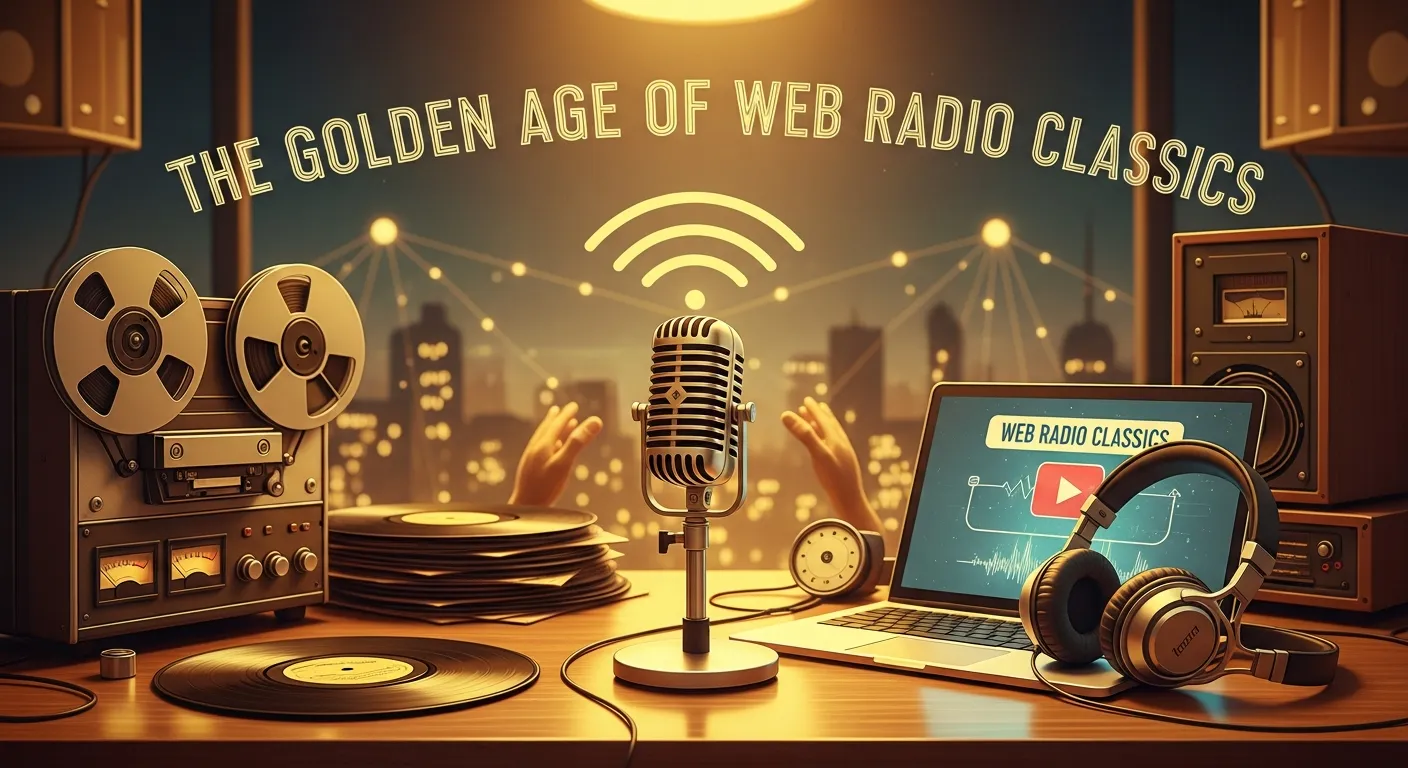
The early era of the internet marked a period of rapid experimentation for online audio. The rules of traditional broadcasting were rewritten entirely, giving rise to a new medium where web radio classics first took root.
Pioneering Online Stations and Their Impact
Early classic web radio stations operated on pure passion. Trailblazing platforms proved that global broadcasting was no longer restricted to massive media conglomerates. These early innovators created blueprints for digital programming, focusing on specific moods, underground genres, and global hits that local FM stations ignored. They showed audiences that web radio classics could be interactive, borderless, and deeply personal.
Early Star Stations: Shaping Digital Taste
Consider the legendary SHOUTcast networks or influential outposts like Live365, which democratized broadcasting. Some of the earliest web radio classics simulated the excitement of pirate radio—a free-spirited, often unpredictable format that directly involved listeners in live chat rooms and request lines. The voice of an excited DJ, a live email response, and the thrill of hearing your name on air became an entirely new musical experience.
The Technology That Made It Possible
The golden age relied heavily on early streaming software. Desktop media players with iconic interfaces allowed anyone with a digital music collection and a decent internet connection to become a global broadcaster. The compressed audio format itself was revolutionary, shrinking files enough to be sent over rudimentary web connections without losing all their musicality. This laid the groundwork for the web radio classics we enjoy today.
Key Innovations in Streaming
MP3 and Ogg Vorbis formats made it possible for classic web radio stations to reach global listeners without massive infrastructure. Protocols such as SHOUTcast and Icecast, along with revolutionary tools like Winamp, let enthusiastic curators broadcast playlists with minimal technical knowledge. These breakthroughs lowered barriers for newcomers, exploding the number of web radio classics for every genre.
Early Challenges and Triumphs
Broadcasting online was not without significant hurdles. Bandwidth was incredibly expensive, and slow connections resulted in frequent buffering. Early broadcasters also faced a confusing landscape of copyright laws and royalty disputes. Despite these obstacles, the triumphs were undeniable. Classic web radio stations built loyal global followings, proving that independent digital media had genuine staying power.
Defining Moments: Surviving Adversity
From the infamous “dot-com” bust that shuttered many early digital ventures to landmark legal battles over royalty rates, classic web radio stations displayed resilience. Communities rallied to support their favorites through donations, forum posts, and even direct technical troubleshooting. It’s no exaggeration to say that the roots of today’s online retro music radio run deep in individual enthusiasm and collective support.
Genres and Formats in Web Radio Classics
Web radio classics span an incredible variety of genres. Because online stations do not have to appeal to a broad local demographic, they can afford to be highly specialized and cater to unique tastes.
Rock and Pop Classics: The Enduring Appeal
Stations dedicated to classic rock and pop remain massive draws. These streams offer listeners a comforting hit of nostalgia, blending well-known anthems with forgotten B-sides. Unlike terrestrial radio, which often relies on a tight rotation of the same few songs, web radio classics dig deep into the archives.
Listeners’ Stories
Multigenerational audiences share favorite moments online—like hearing a rare live Beatles cut on a rainy evening or discovering lost Fleetwood Mac tracks while working late. These human moments are central to the magic of classic web radio stations.
Jazz and Blues: Timeless Rhythms Online
For jazz and blues aficionados, internet radio is a treasure trove. Curators meticulously craft playlists that transition smoothly from regional brass to classic blues. These classic web radio stations often serve as educational platforms, introducing younger audiences to historical recordings.
Living Music History
Some web radio classics feature expert hosts who offer mini-lessons between tracks, discussing the cultural significance of the music. These enriching broadcasts bring jazz and blues history to life for today’s global listeners.
Classical and Ambient: Soothing Sounds
The demand for background focus music has fueled the popularity of classical and ambient web radio classics. Listeners use these stations for studying, working, or unwinding. The seamless, ad-free experience creates a perfect audio environment.
Modern Listeners, Timeless Classics
Today’s listeners stream these genres for meditation, sleep, and concentration. Stations experiment with new sub-genres like neoclassical or electronic ambient music, proving that the world of web radio classics keeps evolving.
Niche Genres: Exploring the Obscure
Internet radio truly shines in the niches. From obscure European folk to heavy metal subgenres, there are classic web radio stations for every conceivable taste.
- Synth-pop and retro electronic beats
- Global world music and traditional folk
- Independent acoustic and singer-songwriter tracks
- Lo-fi hip hop and study beats
Unique Finds in Every Genre
No matter how rare your passion—like Japanese city pop or early reggae—there’s likely a web radio classics channel somewhere, connecting fellow enthusiasts from different continents.
The Cultural Impact of Web Radio Classics
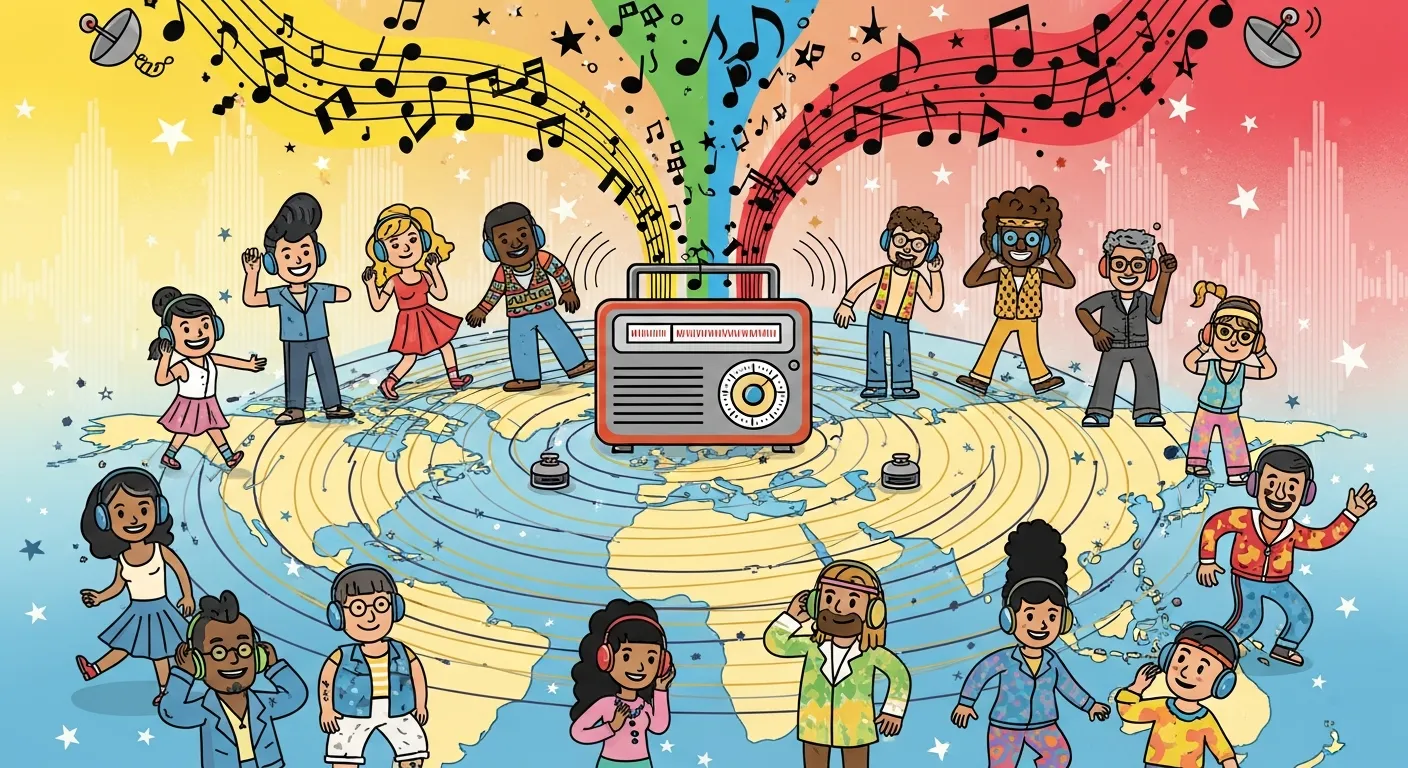
The rise of web radio classics fundamentally altered our relationship with music and each other, building bridges across continents.
How Web Radio Classics Shaped Listening Habits
Before the internet, finding new music meant visiting a record store. Web radio classics introduced the concept of continuous, effortless discovery. Listeners learned to keep a notepad open to jot down the names of unfamiliar tracks, training an entire generation to look beyond their local music scenes.
Discovery Through Community
Oldies internet radio streaming encouraged listeners to use forums and chat rooms to trade recommendations, fostering friendships based on musical taste. Today, social networks have taken over much of this function, but classic hits radio online still nurtures vibrant, cross-generational communities.
The Role of Nostalgia in Online Broadcasting
Nostalgia is a powerful driver for online retro music radio. Many listeners return to the same stations they discovered during their early days on the internet. Tuning into web radio classics that have broadcast the same distinct vibe for decades provides a profound sense of continuity.
Online Reunions
Regulars share stories about tuning into the same broadcast every Saturday for a decade. Reunion playlists, retro countdowns, and themed “decade nights” are staples of classic web radio stations, ensuring that every generation gets to relive its musical memories.
Technology and Accessibility for Classic Web Radio Stations
The hardware and software powering internet radio have undergone massive upgrades, making it easier than ever to tune in to your favorite web radio classics.
The Evolution of Streaming Technologies
We have moved far beyond the days of low-quality streams that sounded like they were recorded underwater. Modern streaming protocols deliver robust, uninterrupted audio. Content Delivery Networks ensure that thousands of people can listen simultaneously without crashing the host server.
Tech for the Future
Emerging protocols support crystal-clear streams for classic web radio stations, making it simple to enjoy high-fidelity sound anywhere. Even legacy networks have adopted new codecs and interactive features to elevate the listener experience for fans of web radio classics.
Listening on Various Devices
The desktop media player has largely been replaced by mobile applications and smart speakers. Today, you can stream web radio classics in your car via Bluetooth or ask your smart home device to play your favorite independent network.
Platform Versatility and Integration
Classic web radio stations offer apps and web widgets that integrate with calendars or can be embedded into productivity suites, making it easy to transition from desktop listening to mobile or in-car streaming, ensuring your oldies internet radio streaming is always at your fingertips.
The Importance of Sound Quality
As internet speeds increased, so did expectations for audio quality. Many web radio classics now offer lossless streams or high-bitrate options. Audiophiles can enjoy oldies internet radio streaming with the same clarity as a physical CD.
Personalizing the Experience
Some classic web radio stations now offer the ability to fine-tune streaming quality to the device or connection type, so you never miss a beat, whether you’re on fiber or still using mobile data during your commute.
Finding Feel-Good Web Radio Classics
Sometimes you just need an audio escape that lifts your spirits. Many classic web radio stations focus entirely on broadcasting positive, uplifting music to help listeners get through their day.
For a perfect example of this uplifting programming, you can check out this excellent destination:
Experience uplifting audio with feel-good broadcasts here
Stations like this prove that the human touch in curation can completely change your mood.
Curating Joyful Playlists
Classic web radio stations emphasize happiness playlists, theme hours, and interactive “feel-good” requests. DJs tell personal stories and invite listeners to share what songs make their day special, creating a tight-knit virtual family.
Comparing Automated Playlists vs. Curated Stations
|
Feature |
Automated Playlists |
Web Radio Classics |
|---|---|---|
|
Curation |
Algorithm-based |
Human-curated |
|
Discovery |
Echo-chamber suggestions |
Unexpected serendipity |
|
Community |
Solitary listening |
Chat rooms and forums |
|
Surprises |
Very rare |
Frequent deep cuts |
Why Curation Still Wins
Classic web radio stations stand out because DJs adapt live to audience moods, change up genres based on requests, or spotlight artists lost to time. This spontaneity and adaptability are impossible for even the most advanced algorithm.
The Business of Oldies Internet Radio Streaming
Running a global broadcast network requires money. Classic web radio has developed unique economic models to survive the modern digital landscape.
Funding Models: Subscriptions and Donations
While some stations rely on traditional audio advertisements, many web radio classics operate on a listener-supported model. Direct donations allow fans to fund the stations they love. In return, supporters often receive ad-free streams or high-quality audio links.
Community-Driven Fundraising
Special marathon broadcasts and donor “thank you” shows keep the lights on for classic web radio stations. Merchandise sales, from limited-edition T-shirts to commemorative albums, often support the operating budget, further involving the loyal audience in the station’s journey.
The Challenges of Licensing
Navigating music copyright remains the biggest headache for web broadcasters. Stations must pay royalties to legal organizations to stream copyrighted music. These fees can be exorbitant, forcing many smaller stations to adapt constantly.
Royalties and the Changing Landscape
Recent legal cases and changes in international copyright law have both restricted and sometimes simplified the licensing process, but the cost is always a primary concern. Oldies internet radio streaming managers diligently keep up with evolving rules to protect their stations and artists.
Case Studies: Popular Web Radio Classics
To understand the longevity of internet radio, we can look at a few pioneers that have successfully navigated decades of digital change.
SomaFM: A Deep Dive Into Its Success
Operating out of San Francisco, SomaFM launched in the early days of digital broadcasting and remains a titan of independent web radio classics. Entirely listener-supported, it broadcasts dozens of commercial-free channels ranging from indie pop to space ambient.
The Community Behind SomaFM
Regular listener events, exclusive behind-the-scenes streams, and a vigorous online message board culture make SomaFM more than just an online retro music radio. The station’s transparency about its funding and technical operations inspires considerable trust.
Radio Paradise: Unique Programming
Radio Paradise is another legendary station that features a highly eclectic mix of rock, world music, and electronica. It is famous for its flawless transitions and high-resolution audio streams, embodying the very best of web radio classics.
Global Community Engagement
Radio Paradise pioneered global listening parties, encouraging fans in every time zone to join themed events and share song ratings. Crowdsourced playlists show how web radio classics create interactive listening adventures impossible on algorithm-based services.
The Future of Web Radio Classics
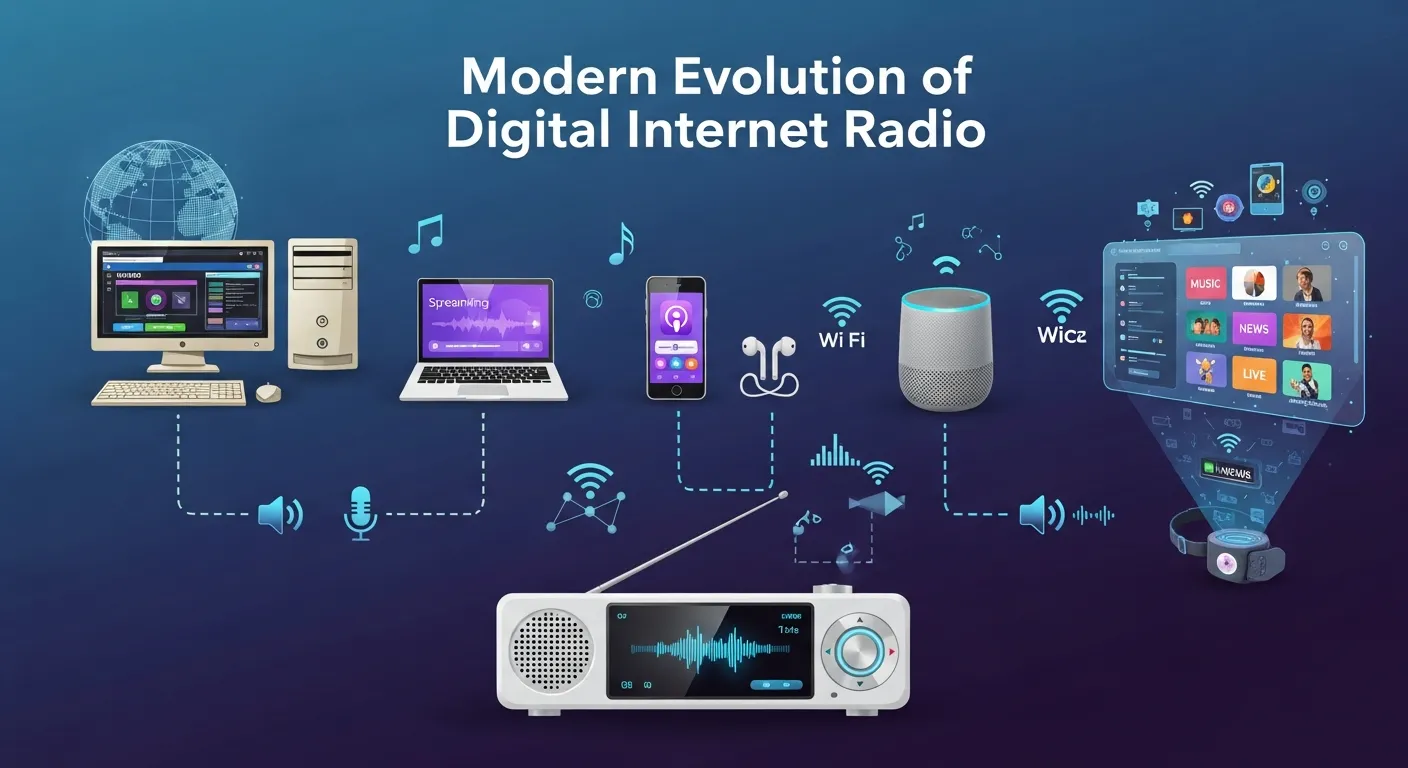
Internet radio is not a relic of the past. It continues to adapt to the shifting technological landscape.
Emerging Technologies in Web Radio
The rollout of faster mobile networks presents new opportunities for web radio classics. Stations can seamlessly integrate into automotive dashboards, competing directly with local FM radio.
Voice Controls and Smart Home Integration
Classic hits radio online is increasingly accessible through simple voice commands. Say “Play my favorite web radio classics,” and a smart speaker will connect you instantly. Hybrid technology, blending AI and human curation, delivers surprise mixes tailored to your recent favorites—a balance only classic web radio stations can strike.
Personalization and AI
While human curation is the soul of web radio classics, artificial intelligence helps station managers organize massive digital libraries and clean up old audio files.
Augmented Curation
Stations now use AI to suggest “forgotten gems” for DJs to consider or to analyze which genres create the most positive listener responses during certain hours. AI can even help match spoken DJ segments with the perfect oldies internet radio streaming soundtrack.
Continued Relevance
As listeners grow exhausted by choice and algorithmic fatigue, the appeal of curated web radio classics is resurging. Sometimes, the greatest luxury is pressing play and trusting an expert to handle the rest.
Bridging Generations
Parents introduce their children to their favorite web radio classics, while some stations now offer special children’s blocks and intergenerational shows. This ensures classic hits radio online remains relevant and vibrant as digital generations shift.
Frequently Asked Questions (FAQ)
What exactly are web radio classics?
Web radio classics refer to long-standing, human-curated internet broadcasting stations that have built a legacy online. They focus on delivering specific genres, moods, or old-school hits without relying on automated algorithms. These stations prioritize a genuine connection with their listening audience.
Why do people prefer classic web radio stations over algorithms?
People prefer classic web radio stations because they offer genuine serendipity and the human touch of a real DJ. Algorithms tend to trap listeners in an echo chamber, playing only what they already know. Human curators introduce rare tracks and B-sides that algorithms frequently overlook.
Can I listen to online retro music radio on my phone?
Yes, you can easily listen to online retro music radio on your smartphone using various dedicated apps or mobile web browsers. Most web radio classics have upgraded their infrastructure to support seamless mobile streaming. You can connect your phone to your car or smart speaker via Bluetooth.
Is oldies internet radio streaming free to listen to?
The vast majority of oldies internet radio streaming is completely free for listeners around the world. Many of these stations rely on community donations, merchandise sales, or occasional audio advertisements to cover their server costs. Premium, ad-free tiers are sometimes offered for dedicated financial supporters.
Are there web radio classics for learning new languages?
Absolutely, tuning into international internet radio is a fantastic way to immerse yourself in a new language and culture.
Explore this great resource for language learners
Listening to foreign broadcasters helps improve your vocabulary and understanding of native conversational rhythms.
How do classic hits radio online stations pay for music rights?
Classic hits radio online stations must pay licensing fees and royalties to performance rights organizations. These organizations distribute the money to the original artists, songwriters, and publishers. It is a complex and often expensive legal process that station owners must manage carefully.
What equipment do I need to enjoy web radio classics?
You only need a basic internet connection and a device with speakers, such as a laptop, smartphone, or tablet. For the best experience with web radio classics, a good pair of headphones or a quality home speaker system is highly recommended. No specialized antennas or receivers are required.
Can I request songs on classic web radio stations?
Many classic web radio stations still honor the traditional practice of taking listener requests during live broadcasts. You can usually submit a request through their website forms, dedicated chat rooms, or social media channels. Hearing your requested song played globally is a core part of the charm.
Do web radio classics broadcast live DJs?
Yes, many web radio classics feature live digital DJs who host specific blocks of programming throughout the week. These DJs provide commentary, share music trivia, and interact directly with listeners in community chat rooms. This live element builds a strong parasocial relationship between the host and the audience.
Will web radio classics eventually disappear?
It is highly unlikely that web radio classics will disappear, as they serve a dedicated niche that massive streaming platforms ignore. As long as listeners crave human curation, community interaction, and unique musical discoveries, these stations will survive. They continue to adapt their technologies to stay relevant in the modern digital age.