

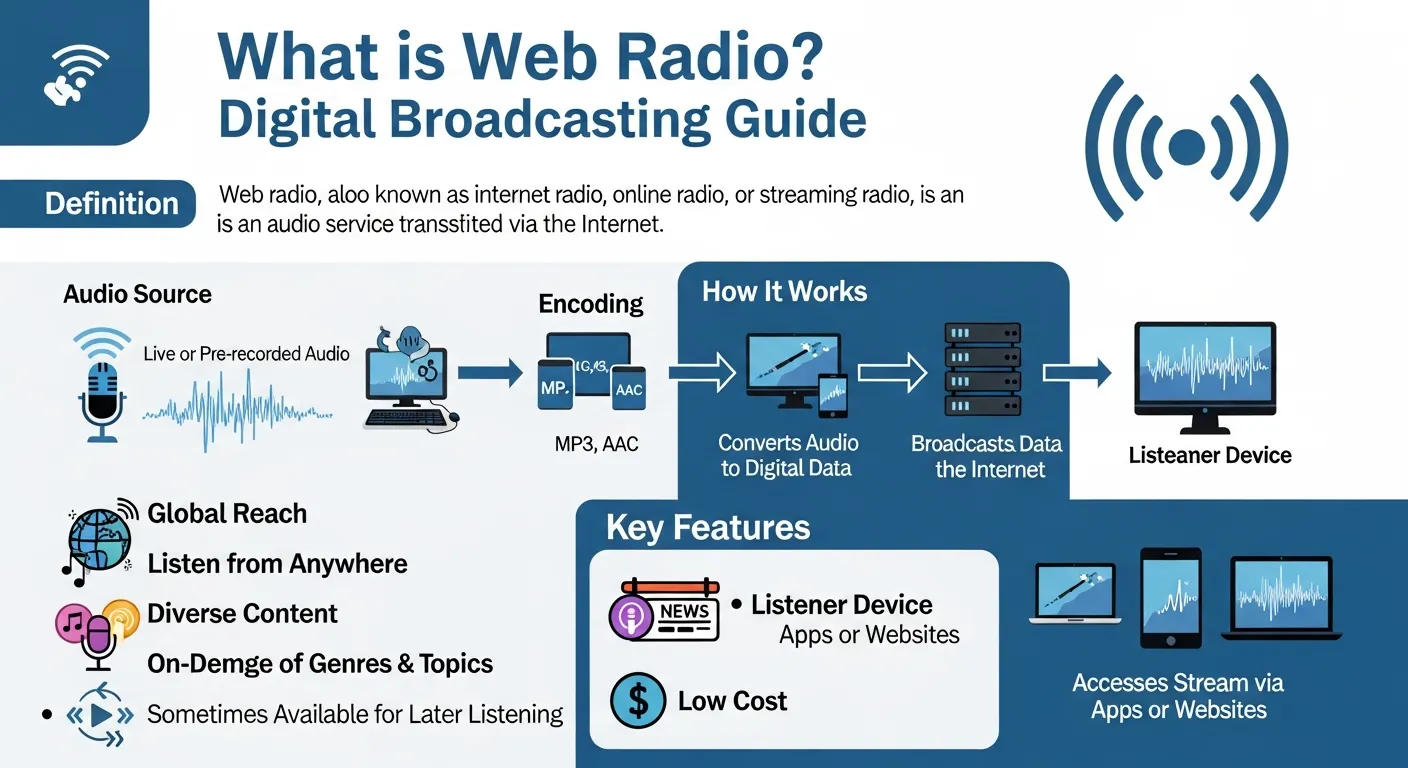
Web radio streams audio over the internet, removing geographic limits and expanding content access. It enables global listening, personalized experiences, and low-cost broadcasting while using advanced streaming technology, transforming how audiences consume music, talk shows, and digital audio content.
If you have ever listened to a specialized music station online, tuned into a live audio stream from another country, or enjoyed a curated playlist on a digital platform, you are already participating in the digital audio revolution. But what is web radio exactly, and how is it transforming the world of music and spoken-word content? This technology involves broadcasting audio services over the internet rather than through traditional terrestrial means like AM or FM bands, fundamentally changing our listening habits and accessibility.
The concept of web radio originated in the mid-1990s, a time when early internet pioneers experimented with streaming audio using limited bandwidth. Back then, connections were painstakingly slow, and audio quality was heavily compressed—often sounding robotic or muffled. Yet, as internet infrastructure improved and bandwidth expanded, so did the potential for digital radio broadcasting online. The late 1990s and early 2000s brought a surge in independent internet radio stations, which began streaming high-fidelity, CD-quality audio worldwide.
Traditional radio, with its heavy reliance on physical transmitters and antennas, is limited to specific geographic zones. In contrast, internet radio stations break through these boundaries. Today, a web radio broadcaster in a small apartment in Rome can effortlessly reach fans in Sao Paulo, New Delhi, or Chicago. This comprehensive exploration explains what web radio is, examines the sophisticated technology behind live web radio channels, and discusses the unique benefits it brings to audiences and broadcasters worldwide.
Understanding What Web Radio Is at Its Core
When someone asks, “What is web radio?”, the answer isn’t just about the technical side—it’s more about the overall experience and how easy it is to access.
Web radio, also known as online radio, net radio, or streaming radio, means audio broadcasting that happens entirely over the internet. Instead of using traditional radio signals like AM or FM, it delivers music, talk shows, or podcasts directly to your device through an internet connection.
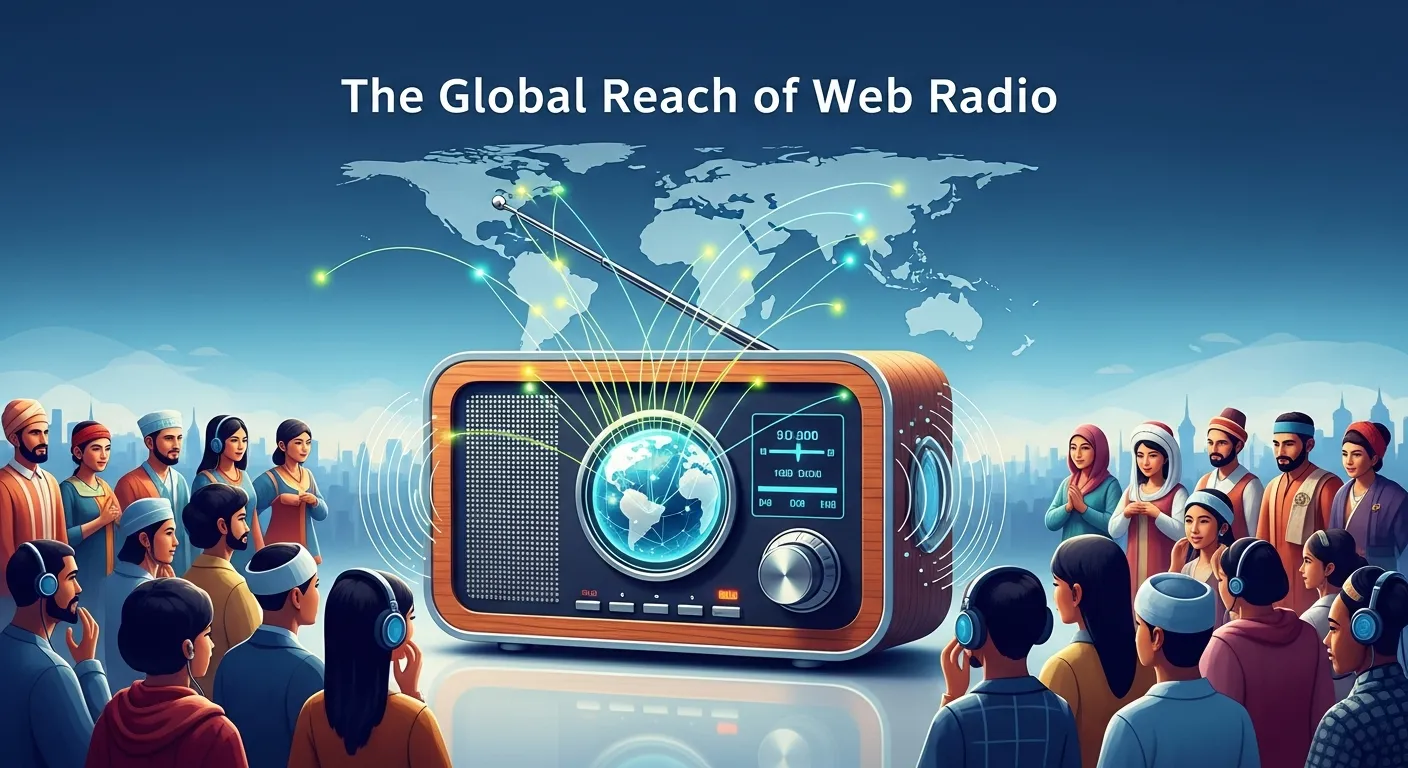
This makes it much more flexible and convenient. You can listen from anywhere in the world using your phone, laptop, or smart device, as long as you have internet access. Unlike traditional radio, web radio often offers a wider variety of content and allows users to explore different genres, languages, and stations easily.
In simple terms, web radio is all about easy access, global reach, and a more personalized listening experience compared to traditional broadcasting.
The Digital Transformation of Audio Broadcasting
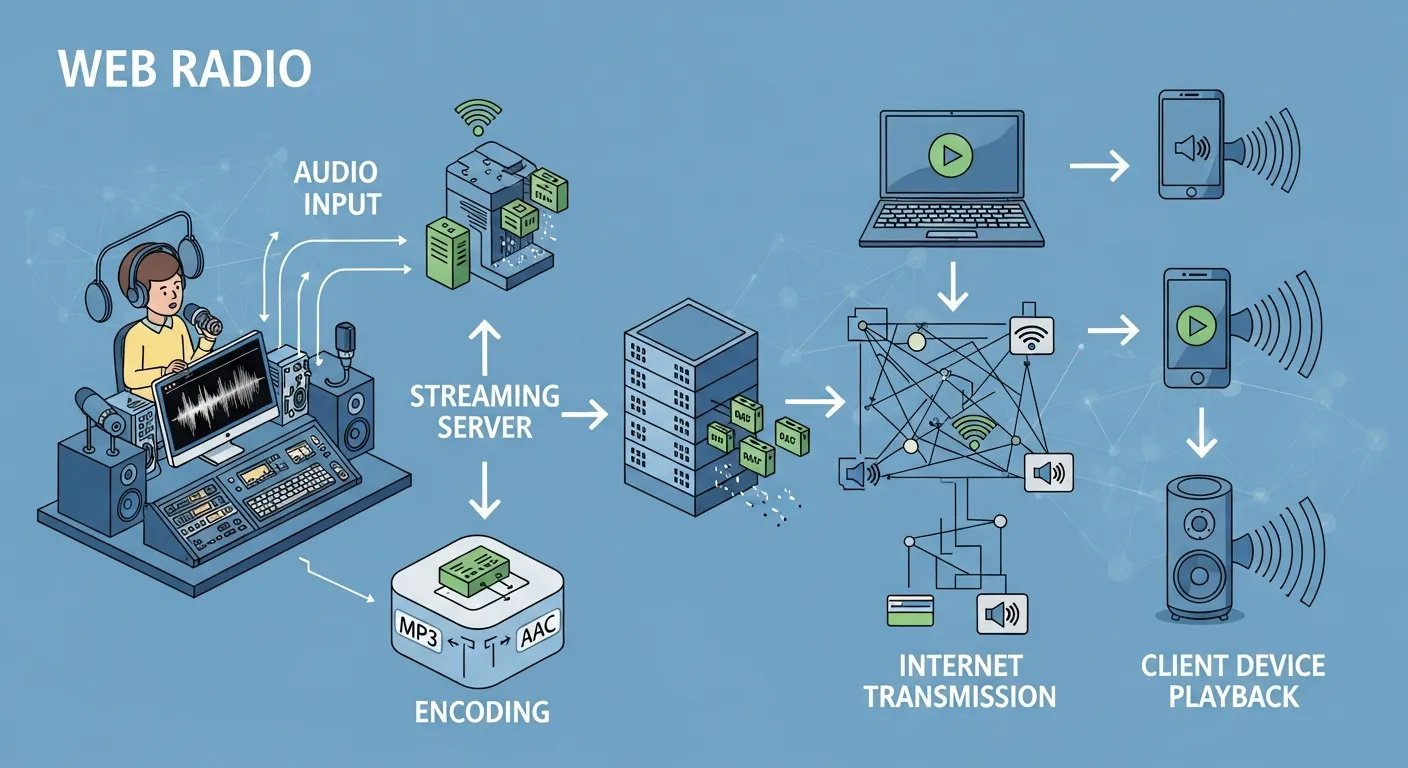
Unlike traditional broadcasting, which relies on analog radio waves, digital radio broadcasting online uses internet protocols to deliver audio. This process includes:
- Capturing audio content: Live DJs, playlists, news, or talk shows are recorded or mixed in real time.
- Encoding and compressing: Audio is converted into digital files using codecs and compressed for efficient transmission.
- Streaming over the internet: Audio data is sent in packets through various streaming protocols (explained below).
- Receiving and playback: Listeners use computers, phones, smart speakers, or internet-enabled radios to connect to live web radio channels anywhere on the globe.
The mass adoption of broadband, Wi-Fi, and smartphones has caused digital audio consumption to skyrocket. This revolution now allows millions to access radio content not bound by distance, opening up the world to greater musical discovery, global news coverage, and vibrant cultural exchange via internet radio stations and online music streaming radio.
The Technology Powering Internet Radio Stations
To really understand what web radio is, you also need to look at the basic technology behind it. The smooth and seamless listening experience doesn’t just happen on its own—it’s supported by a system that delivers audio over the internet in real time.
This includes things like servers that host the audio, streaming technology that sends the sound continuously, and internet connections that allow users to listen without interruptions. All these parts work together in the background to make web radio feel simple and instant for the listener.
So, while it feels easy to use, there’s actually a well-structured technical setup making the whole experience possible.
Streaming Protocols: The Backbone of Digital Radio Broadcasting Online
All live web radio channels rely on specialized protocols that govern how audio data gets from studios to listener devices. Some of the most important include:
- SHOUTcast and Icecast: Early open-source protocols that remain popular for hobbyist and independent internet radio stations because of their simplicity and flexibility.
- HLS (HTTP Live Streaming): Developed by Apple, this adaptive protocol maintains stable streams by automatically shifting quality based on a listener’s connection.
- DASH (Dynamic Adaptive Streaming over HTTP): Similar to HLS but open-standard, DASH helps ensure smooth digital radio broadcasting online with automated quality adjustments.
Audio Codecs: Making Quality Streaming Possible
Digital audio files are enormous. Transmitting these files without compression would be impractical and would overwhelm most networks. Web radio deploys codecs to compress audio while retaining fidelity:
- MP3: Still one of the most recognizable and universally compatible formats, MP3 set the standard for early internet radio stations.
- AAC: Now preferred by many online music streaming radio platforms for delivering superior audio quality at lower bitrates.
- Ogg Vorbis: Open source and royalty-free, this codec offers strong audio fidelity and is popular among platforms supporting free music.
CDNs and Server Infrastructure
True digital radio broadcasting online demands robust, scalable server infrastructure. Here’s how it works:
- Server Broadcasting: The core stream is sent from a broadcaster’s server.
- Content Delivery Networks (CDNs): To serve thousands or millions of listeners globally, CDNs mirror the broadcast and route traffic efficiently. This prevents single-server overload and ensures a reliable listening experience for live web radio channels.
- Redundancy and Failover: Most reputable internet radio stations implement redundant systems and backup servers, keeping streams live even during outages.
Client-Side Decoding
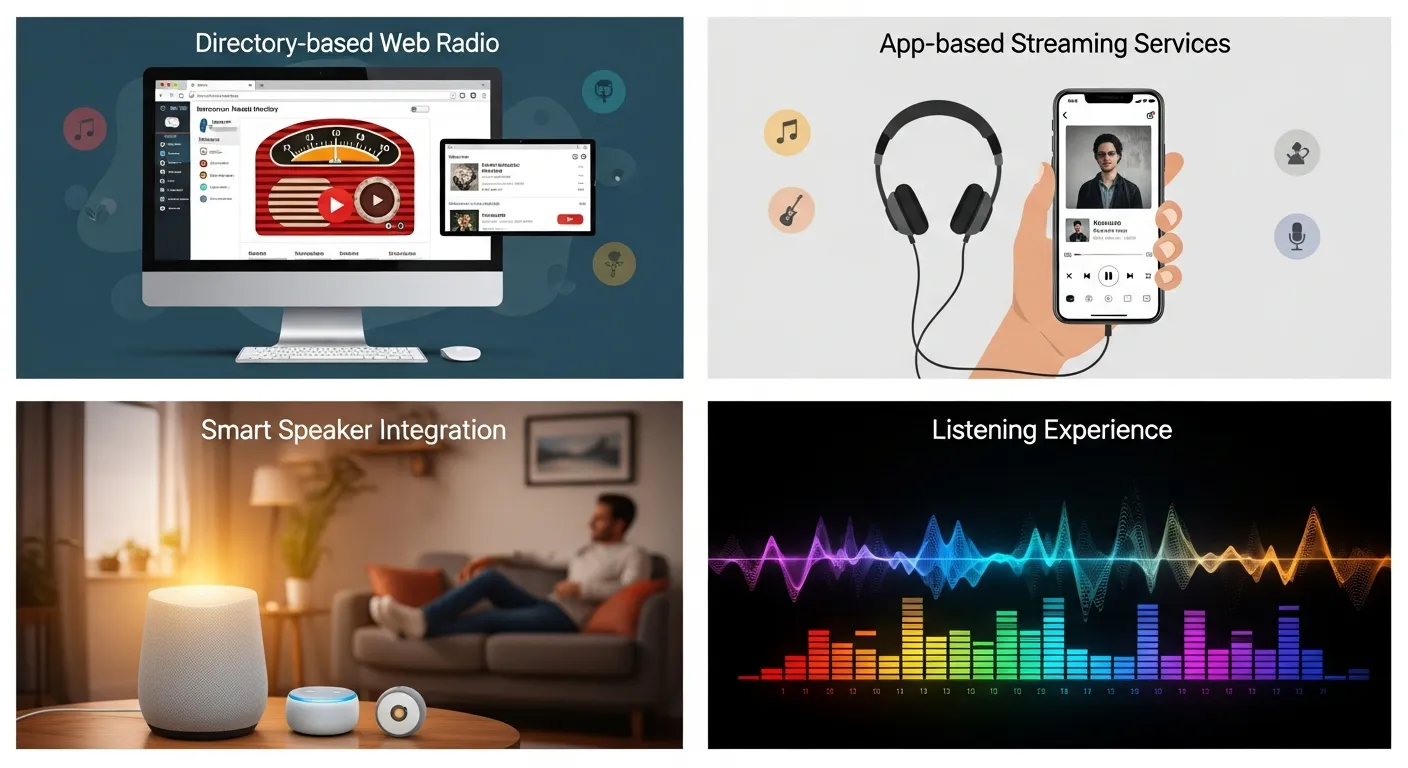
On the listener’s end, web browsers, mobile apps, or smart speakers receive the data, decode the stream, and play back high-quality audio in real time. Many online music streaming radio interfaces even offer additional features like metadata for current songs, album art, and interactive chat rooms.
Types of Live Web Radio Channels
Web radio offers an unprecedented diversity of formats and station types. Understanding what web radio is is easier when you consider the various station models in digital radio broadcasting online:
Internet-Only Broadcasters
These stations exclusively use the internet to broadcast, bypassing all traditional AM/FM infrastructure. Notable advantages include:
- Global reach from day one.
- Low startup and operational costs.
- Ability to serve niche genres and audiences.
Internet-only broadcasters are the lifeblood of independent music discovery, underground talk shows, specialty news, and hobbyist content—offering limitless variety in online music streaming radio.
Terrestrial Radio Simulcasts
Many traditional AM/FM broadcasters now simulcast their programs over the internet. These hybrid models:
- Expand their listener base globally
- Retain loyal audiences who move out of local transmission areas
- Combine the authority of legacy radio with the flexibility of live web radio channels
Algorithmic and Personalized Online Music Streaming Radio
Platforms like Pandora or Spotify Radio don’t rely on human DJs. Instead, algorithms analyze listening habits and create customized radio streams for each user. Pros include:
- Personalized listening 24/7
- Discovery of new artists based on taste
- On-demand features and hybrid playlist models
Comparing Internet Radio Station Types
|
Station Type |
Accessibility |
Content Focus |
Average Cost |
Key Example |
|---|---|---|---|---|
|
Internet-Only |
Global |
Niche/varied |
Low |
SomaFM, Radio Paradise |
|
Terrestrial Simulcast |
Global |
Local/traditional |
High |
BBC Radio, NPR |
|
Algorithmic/Personal |
Global |
Personalized/playlist |
High |
Spotify Radio, Pandora |
|
Podcast Live Streams |
Global |
Talk/live + archives |
Low |
Mixlr, Spreaker Live |
Key Benefits of Digital Radio Broadcasting Online
One of the most compelling reasons to learn what web radio is is to understand the doors it opens for both listeners and creators.
For Listeners: Choice, Diversity, and Control
- Unmatched variety: With internet radio stations, you aren’t limited to your local market. Access stations in any language, style, or topic.
- Niche discovery: Find live web radio channels devoted to rare subgenres or lesser-known topics.
- On-demand features: Many platforms let you skip, pause, or replay content, blurring the line between radio and podcasts.
- No physical borders: Whether traveling or living abroad, stay connected to hometown broadcasts or global perspectives.
For Broadcasters: Scale, Affordability, and Analytics
- Lower entry costs: A basic setup can be as simple as a laptop, a microphone, and reliable internet.
- Flexible content creation: Serve hyper-specific audiences or go mainstream—the choice is yours.
- Rich audience analytics: Digital radio broadcasting online offers real-time stats on everything from listener location to engagement time, allowing data-driven programming decisions.
- Monetization strategies: Benefit from audio ads, sponsorships, affiliate promotions, premium subscriptions, and even listener donations.
How to Start Digital Radio Broadcasting Online
Launching a web radio station is now easier than ever, thanks to comprehensive tools and platforms designed for all experience levels.
Step 1: Choose Your Platform
Decide if you want to handle technical aspects yourself or use an all-in-one provider. Popular options for internet radio stations include:
- Live365
- Radio.co
- Shoutcast
- Icecast
Learning more about broadcasting online radio is a great place to start for beginners and experts alike.
Step 2: Plan Your Content and Schedule
Consider your core audience:
- Will you host live DJs, pre-recorded shows, or rolling playlists?
- Do you want chat features, song request tools, or news updates?
Create a consistent schedule to grow habitual listening and help your live web radio channels build an audience.
Step 3: Secure Licensing and Legal Requirements
Failure to obtain the correct performance and streaming licenses (e.g., ASCAP, BMI, SoundExchange) can result in fines or station takedowns. Some all-in-one streaming providers include blanket licensing, but it’s your responsibility to remain compliant—especially for stations serving international audiences.
Step 4: Market and Promote Your Internet Radio Stations
- Submit to directories: TuneIn, Streema, Internet-Radio.com
- Leverage social media: Create branded pages on platforms where your target audience congregates.
- Engage your listeners: Run contests, take live requests, and hold Q&A sessions.
Step 5: Monitor Performance and Evolve
Review your listener data, analyze engagement trends, and adjust your content strategy to keep your digital radio broadcasting online fresh and relevant.
Advanced Features and Innovations in Web Radio
Digital radio broadcasting online is not standing still—new technologies and features are emerging constantly.
AI-Driven Programming and Smart Recommendations
Many online music streaming radio platforms are now leveraging artificial intelligence for everything from scheduling dynamic playlists to offering virtual DJ intros and personalized music suggestions. AI can parse listener habits, analyze trending topics, and even generate weather or news bulletins for live web radio channels.
Immersive Audio and Interactive Experiences
- Spatial audio: Some internet radio stations are experimenting with 3D sound for a more engaging listening experience.
- Live interaction: Chat rooms and request lines let listeners engage in real-time, blurring the boundary between broadcaster and audience.
Multi-Device and Smart Home Integrations
Modern web radio is designed for the Internet of Things. Smart speakers (like Alexa, Google Home), car infotainment systems, smart TVs, and even wearables are now part of the listening ecosystem. You can start a stream on one device and finish it on another, thanks to seamless syncing.
The Business of Internet Radio Stations
A significant part of understanding what web radio is involves knowing how stations survive and thrive in a crowded digital market.
Monetization Models Explained
- Ad-supported: Most popular among free live web radio channels. Audio and banner ads target specific segments.
- Subscription: Listeners pay a monthly fee for ad-free content or premium features.
- Sponsorship and branded content: Partnerships with businesses to offer targeted messaging or exclusive shows.
- Listener-supported: Direct funding via donations, Patreon subscriptions, or fundraising drives.
Licensing and Copyright: Navigating Compliance
There are complexities involved in digital radio broadcasting online, especially for those broadcasting music internationally. Clearing music rights for all the countries your signal may reach is crucial. Consider consulting with legal pros or partnering with platforms offering global licensing packages.
Challenges and Future Trends in Digital Radio Broadcasting Online
Bandwidth, Data, and Network Neutrality
For listeners, streaming high-quality audio can use significant mobile data, impacting access for those on limited plans. For broadcasters, scaling up listener numbers means scaling up server solutions and bandwidth, which can be costly.
Net neutrality regulations can also affect digital radio broadcasting online. Restrictions or “fast lane” internet pricing from ISPs could hamper small or independent live web radio channels.
Competition and Discovery
With thousands of internet radio stations to choose from, standing out is tough. Consistent branding, high-quality content, and unique value propositions help drive success.
The Ongoing Evolution
The future of web radio promises:
- Even smarter AI DJs and hyper-personalized stations
- Deeper integration with augmented reality and virtual spaces
- Higher audio fidelity as bandwidth improves
- More social features, including collaborative playlists and live audience participation
Frequently Asked Questions
What is web radio in simple terms?
Web radio, or digital radio broadcasting online, is the process of transmitting audio content over the internet instead of through traditional radio waves. This allows you to listen to live web radio channels on computers, smartphones, and smart speakers.
How do internet radio stations make money?
Most internet radio stations generate revenue through digital audio advertising, premium subscriptions, sponsorships, and listener donations. Because they track exact listener numbers, they can offer highly targeted ads to their audience.
Do I need a license to start an online music streaming radio?
Yes, if you plan to broadcast copyrighted music on your online music streaming radio station, you need specific performance licenses. Organizations like ASCAP, BMI, and SoundExchange handle these royalties in the United States.
What equipment do I need for digital radio broadcasting online?
To start digital radio broadcasting online, you need a computer, a reliable internet connection, broadcasting software, and a good microphone. You will also need a streaming host server to distribute your audio.
Are live web radio channels free to listen to?
Many live web radio channels are completely free to access and are supported by audio advertisements. However, some platforms offer premium, ad-free online music streaming radio experiences for a monthly fee.
Where can I find advice on running internet radio stations?
There are many communities and experts sharing technical and promotional advice for broadcasters. Reading guides and tips from experts like Ronald Gibson provides a great foundation for managing successful internet radio stations.
How does web radio differ from podcasting?
While both use the internet, web radio typically streams live audio content continuously, just like a traditional radio station. Podcasts are pre-recorded audio files that users download or stream on demand at their convenience.
Can I listen to internet radio stations in my car?
Yes, you can easily listen to internet radio stations in your car by connecting your smartphone to your car’s audio system via Bluetooth, Apple CarPlay, or Android Auto. You just need an active cellular data connection.
How much data does online music streaming radio use?
Listening to online music streaming radio typically consumes about 60 to 120 megabytes of data per hour, depending on the audio quality bitrate. High-fidelity streams will consume significantly more mobile data.
What is the future of digital radio broadcasting online?
The future of digital radio broadcasting online includes AI-driven DJs, highly personalized audio streams, and seamless integration with smart home devices. Stations will continue offering immersive audio experiences directly over the internet.
In conclusion, understanding what web radio is means more than knowing about streaming technology—it’s about embracing a new world of accessibility, creativity, and connection. Whether you dream of launching your own internet radio stations or simply want to explore new music and voices worldwide, digital radio broadcasting online opens endless doors to discovery.



[…] This approach keeps playback smooth even on slower connections. Spotify adjusts the quality based on your network, so your online music keeps flowing rather than stalling. It’s the same foundation that powers podcasts, audiobooks, and live broadcasts across the web. […]