

Learn how to launch a successful online radio station with the right equipment, streaming software, audience engagement strategies, legal compliance, SEO promotion, and monetization methods. This guide covers branding, broadcasting, growth tactics, and long-term digital radio success.
In today’s digital landscape, launching an online radio station offers anyone with a microphone and an internet connection the chance to share music, conversation, and news with a global audience. Whether you’re a passionate music curator, a community advocate, or a budding talk-show host, crafting a distinctive broadcast requires thoughtful planning, reliable technology, and an engaging content strategy. The tools for internet radio are more accessible than ever, enabling creators to build professional-grade streams from home studios or coworking spaces. Today, we’ll explore how to define your brand, set up the required hardware and software, engage listeners with interactive features, drive discoverability through promotion, and monetize your efforts sustainably. With a clear roadmap and best practices drawn from industry research such as the International Telecommunication Union (ITU) and guidance from the Federal Communications Commission (FCC), you’ll unlock the full potential of your online radio station.
What Is an Online Radio Station?
An online radio station is a digital platform that streams audio content—ranging from curated playlists to live talk segments—over the internet rather than via terrestrial FM/AM transmitters. This modern approach lets you reach listeners on computers, smartphones, smart speakers, and in-car systems around the world. Unlike traditional broadcasting, internet radio leverages scalable streaming servers to deliver continuous audio feeds and offers on-demand archives that enhance accessibility and user experience.
Core Features and Benefits
- Global Reach: Stream live shows to anyone online, unhindered by geographic boundaries.
- On-Demand Playback: Maintain archives of past episodes or exclusive podcasts for anytime access.
- Interactive Tools: Integrate live chat, social media requests, and real-time polls.
- Scalable Infrastructure: Start with a basic server plan and upgrade bandwidth as your audience grows.
- Cost Efficiency: Deploy with minimal investment in hardware and leverage free or low-cost open-source software.
Key Differences from Traditional Radio
While conventional broadcasting relies on fixed frequencies and licensed airwaves, an online radio station uses IP-based streaming protocols such as Icecast or Shoutcast. This shift means you can tailor content dynamically, update playlists instantly, and integrate analytics to track listener behavior. In today’s connected world, convenience and interactivity are paramount, and internet radio delivers both.
Why Launch Your Online Radio Station?
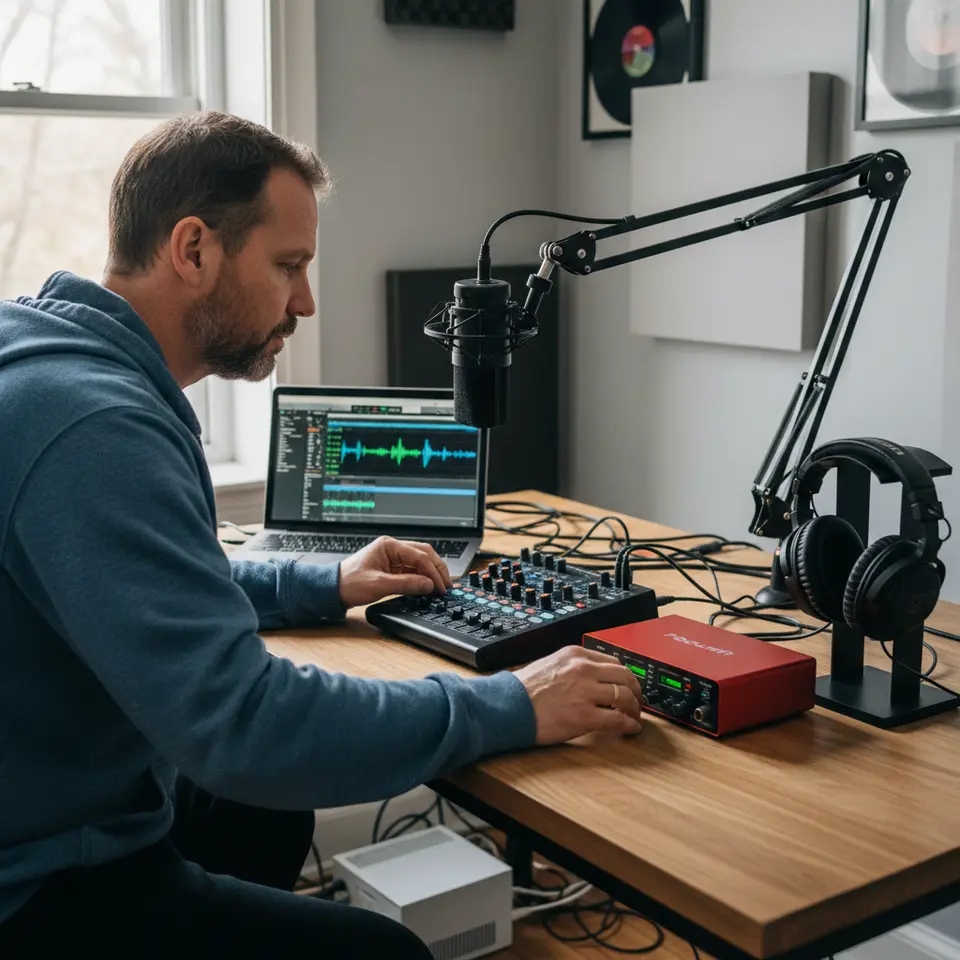
Launching an online radio station goes beyond simply sharing audio—it’s about building a thriving community, establishing your expertise, and potentially generating revenue streams that align with your passion. Below are several compelling motivations for starting your own broadcast today.
Creative Freedom and Brand Authority
By curating your playlists, hosting themed shows, or producing original interviews, you maintain total creative control. In today’s crowded media landscape, a unique voice stands out. Your station’s name, logo, and sonic identity form a brand that resonates with listeners. Consistently high-quality programming positions you as an authority in niche genres—whether that’s indie rock, jazz fusion, or community affairs.
Community Engagement and Networking
Online radio fosters a sense of belonging among fans who share your musical tastes or interests. Regular segments, such as weekly request hours or live interviews, encourage listener participation. Interactive features like chat rooms, social media integration, and call-ins create real-time dialogue that deepens relationships. Over time, your station becomes a hub for artists, experts, and enthusiasts to connect.
Monetization and Growth Opportunities
Internet radio offers multiple revenue paths. You can secure sponsorships and ad slots, invite listener donations through platforms like Patreon, or explore affiliate partnerships to recommend audio equipment and software. Premium memberships unlock exclusive content—early releases, behind-the-scenes tours, or private livestreams—while merchandise sales further diversify income. In today’s market, having varied monetization strategies strengthens sustainability.
Setting Up Your Online Radio Station
Getting on air requires a blend of strategic planning and the right technical stack. Below is a step-by-step guide to launching a robust streaming operation without breaking the bank.
Define Your Format and Target Audience
Begin by clarifying your station’s identity and programming schedule. Decide whether you’ll focus on a single genre—such as hip-hop, classical, or electronic music—or combine talk formats and live DJ sets. Outline a weekly calendar: morning news bulletins, midday playlists, and evening live shows. Identify your target demographic by age, location, and interests to tailor your content and marketing efforts. A clear vision ensures consistency and helps you stand out in directories.
Select Essential Hardware
- Microphone: A USB condenser like the Audio-Technica AT2020USB+ is ideal for beginners; consider an XLR dynamic mic for advanced setups.
- Audio Interface: Choose a low-latency model—such as Focusrite Scarlett—to convert analog signals to digital cleanly.
- Headphones: Closed-back designs improve monitoring accuracy and help you catch audio issues live.
- Mixer: A compact mixer or digital audio workstation (DAW) with real-time EQ and effects can elevate production quality.
- Backup Equipment: Extra cables, a second laptop, and an uninterruptible power supply (UPS) safeguard against technical failures.
Choose Your Broadcasting Software
Software acts as the bridge between your microphone and the streaming server. Popular options include:
- OBS Studio: Open-source and highly customizable, with plugins for advanced audio routing.
- BUTT (Broadcast Using This Tool): Lightweight, easy setup for MP3/AAC streams.
- SAM Broadcaster: Professional suite with extensive scheduling, song library management, and voice tracking.
- Radio.co or Live365: Cloud-hosted platforms offering integrated monetization and analytics, ideal for newcomers.
Partner with a Streaming Host
A dependable streaming host provides server bandwidth, codec support, and listener management. Evaluate providers based on audio quality (MP3, AAC, Opus), listener capacity, and global CDN presence. Icecast and Shoutcast remain leading open-source choices, while commercial platforms like StreamGuys and Radio.co offer managed services, real-time statistics, and DRM options.
Build Your Website and Player Embed
Your website is the digital headquarters for your online radio station. Secure a custom domain, choose a reliable web host, and install a CMS such as WordPress. Ensure you have an SSL certificate to protect visitor data and boost search rankings. Embed an HTML5 audio player or third-party widget for seamless listening. Publish show schedules, episode archives, and contact forms so listeners can engage easily.
How to Engage Your Audience with Your Online Radio Station

Attracting listeners is just the first step—retaining them demands interaction, consistency, and value. Here’s how to transform casual tuning into loyal followership.
Establish a Predictable Broadcast Schedule
Listeners appreciate knowing exactly when to tune in. Design daily segments—morning news, afternoon chill sessions, evening live mixes—and stick to your timetable. Promote weekly specials such as genre spotlights or listener request hours. Time-limited events like seasonal marathons or anniversary celebrations encourage tune-ins and social sharing.
Integrate Interactive Features
- Live Chat: Embed chat widgets or use Discord for real-time discussions.
- Call-Ins: Utilize VoIP services (Zoom, Skype) to host live Q&A sessions with guests.
- Song Requests: Collect requests via web forms, social media, or SMS gateways.
- Polls & Surveys: Use Google Forms or Typeform to gather listener preferences and feedback.
Leverage Social Media and Email Marketing
Amplify your station’s reach by maintaining active social profiles. Post show teasers on Instagram Stories, live-tweet highlights on Twitter, and share behind-the-scenes clips on TikTok or YouTube Shorts. Build an email newsletter to send episode alerts, exclusive playlists, and promotional offers. In today’s interconnected environment, a multi-channel approach bolsters listener loyalty.
Promoting and Monetizing Your Online Radio Station
To grow your audience and generate revenue, combine organic outreach, paid campaigns, directory listings, and strategic partnerships.
Search Engine Optimization (SEO)
Optimize your website for search engines by conducting keyword research using tools like Google Keyword Planner and Ahrefs. Target phrases such as “online radio station,” “live internet radio,” and “stream music online.” Craft descriptive title tags, engaging meta descriptions, and structured headings enriched with your focus keyword. Ensure fast mobile performance and secure connections to meet modern SEO benchmarks.
List on Major Radio Directories
Submitting your stream to aggregators boosts discoverability. Popular platforms include TuneIn Radio, Radio Garden, Streema, and the SHOUTcast directory. Each listing expands your reach and drives new listeners to your online radio station.
Collaborations and Cross-Promotions
Partner with influencers, musicians, and complementary stations for co-hosted shows or guest segments. Invite local artists for exclusive interviews and track premieres. Exchange promotional spots with other online radio stations to tap into parallel audiences.
Diversify Monetization Streams
- Advertising: Sell pre-roll, mid-roll, and post-roll audio ads or partner with ad networks like Triton Digital.
- Sponsorships: Create branded segments funded by businesses aligned with your niche.
- Listener Support: Set up Patreon, Buy Me a Coffee, or PayPal donation links for one-time or recurring contributions.
- Affiliate Marketing: Promote audio gear, streaming software, and online courses to earn commissions.
- Premium Content: Offer memberships that unlock early releases, behind-the-scenes access, and private livestream events.
Advanced Content Ideas for Your Online Radio Station
Creating a successful online radio station requires more than simply streaming music or hosting occasional talk shows. To stand out in today’s competitive digital landscape, you need fresh programming concepts that keep listeners returning regularly. Diversifying your content strategy helps increase listener retention, encourages social sharing, and strengthens your station’s identity.
Why Unique Programming Matters
Audiences today have endless entertainment options competing for their attention. A station with repetitive playlists and limited interaction can quickly lose momentum. By introducing specialized segments, exclusive interviews, and audience-driven experiences, your online radio station becomes more engaging and memorable. Strong programming also improves your brand authority and opens new opportunities for sponsorships and partnerships.
Creative Show Ideas to Grow Listener Engagement
- Artist Spotlight Sessions
Feature independent musicians, local bands, or emerging creators through interviews, live performances, and behind-the-scenes conversations. - Theme-Based Music Nights
Organize weekly events such as Retro Fridays, Acoustic Sundays, or Global Beats Hour to create anticipation and routine listening habits. - Community Talk Segments
Invite entrepreneurs, educators, activists, or local personalities to discuss trending topics and community issues. - Live Listener Challenges
Host trivia contests, music guessing games, or live request battles with prizes and social media participation. - Podcast-Style Deep Dives
Produce educational episodes covering music history, entertainment news, or industry insights to diversify your station beyond playlists.
Smart Strategies for Long-Term Audience Retention
- Maintain consistent show schedules so listeners know exactly when to tune in.
- Encourage audience interaction through polls, voice messages, and live chat features.
- Repurpose radio segments into podcasts, YouTube clips, and short-form social content.
- Create branded intros, jingles, and sound effects for stronger station recognition.
- Monitor listener analytics to identify your most popular programs and peak listening times.
Recommended Content Mix for an Online Radio Station
| Content Type | Purpose | Best Frequency |
|---|---|---|
| Live Music Shows | Increase entertainment value | Daily |
| Interviews & Talk Shows | Build authority and engagement | Weekly |
| Listener Request Hours | Encourage interaction | Several times weekly |
| Podcast Episodes | Expand discoverability | Weekly |
| Special Event Broadcasts | Generate excitement and shares | Monthly |
Building a Loyal Digital Radio Community
Successful internet radio stations thrive because they create emotional connections with listeners. Focus on authenticity, consistency, and participation rather than simply broadcasting audio. By combining engaging programming, interactive experiences, and strategic content distribution, your online radio station can evolve into a recognizable digital media brand with a dedicated global audience.
Frequently Asked Questions
Building a successful online radio station in today’s digital environment demands clear vision, reliable technology, and an audience-centric approach. From defining your brand identity and securing the right hardware and software to engaging listeners through interactive tools and scaling with promotion and monetization strategies, every step contributes to a sustainable broadcast. By leveraging authoritative resources such as the ITU and FCC, optimizing your web presence for search engines, and fostering genuine community connections, you’ll lay the groundwork for growth. With dedication, consistency, and a passion for sharing audio content, your online radio station can become a vibrant platform that resonates with audiences worldwide.