
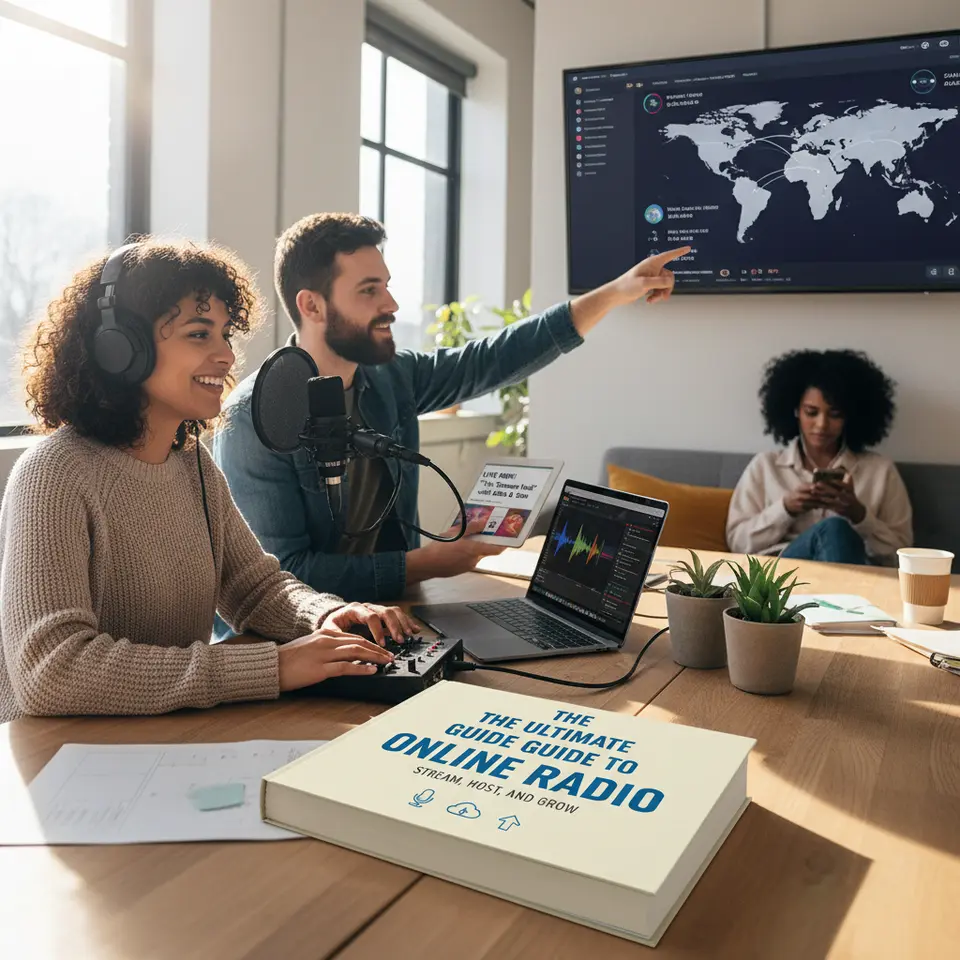
In today’s digital landscape, launching an online radio station offers broadcasters a unique opportunity to connect with listeners worldwide. Unlike traditional AM/FM channels, internet audio streams operate continuously, delivering live shows, curated playlists, and interactive discussions to audiences on desktops, mobile devices, and smart speakers. As of this year (2026), the proliferation of high-speed internet and affordable streaming tools has reduced entry barriers, enabling independent DJs, niche communities, and professional networks alike to carve out their corner of the airwaves. Whether you’re passionate about underground electronic music, local news commentary, or fitness podcasts, creating a vibrant audio destination demands careful planning, technical know-how, and strategic marketing. This comprehensive guide walks you through each phase of establishing a sustainable online radio station, covering everything from concept development to monetization and analytics. By following these best practices, you’ll gain the confidence to select the right gear, comply with licensing regulations, attract and engage your audience, and ultimately scale your broadcast for long-term success.
Understanding the Internet Broadcasting Landscape
Streaming audio has grown exponentially in recent years, powered by platforms like TuneIn, Shoutcast, and proprietary streaming hosts. Unlike on-demand podcast episodes, an online radio station often broadcasts live content or scheduled automation 24/7, maintaining a steady stream of music, talk segments, news bulletins, and specialty shows. Research from Pew Research Center confirms that digital audio consumption continues to climb, with listeners spending an average of 16 hours per week tuned into internet-based stations. This trend underscores the vast potential reach: a single broadcast can attract listeners from multiple continents, time zones, and demographic groups simultaneously.
Several categories define the current ecosystem. Major corporate networks syndicate live sports, top 40 hits, and celebrities’ talk shows, while independent operators focus on genres like jazz fusion, ambient chillout, or regional folk music. Educational institutions and government agencies also run live public service channels and campus radio streams, providing authoritative content and fostering community engagement. By analyzing these models, you can identify gaps where your station might resonate. Understanding listener preferences through surveys, social media interactions, and analytics tools helps you determine ideal content formats, show durations, and broadcast schedules. This research-driven approach ensures that your station remains relevant, differentiated, and poised for growth in a competitive digital audio marketplace.
Finding Your Niche and Defining Your Audience
Identifying a clear focus is essential when launching an online radio station. Instead of targeting a broad audience, drill down into specialized interests. Are you fascinated by experimental electronic music, or do you aim to deliver bilingual news updates for immigrant communities? Narrowing your scope not only strengthens your brand identity but also attracts dedicated listeners who feel personally connected to your content.
Begin by crafting listener personas that capture key demographic and psychographic attributes. Consider age, geographical location, occupation, hobbies, and listening habits. For example, a persona profile might describe “Urban Commuter” listeners aged 25–45 uptown professionals who tune in during their morning drive and prefer short, news-rich segments punctuated by upbeat tracks. Another persona could be “Late-Night Chill” enthusiasts who stream downtempo lounge music after midnight.
Validating these personas requires data gathering. Deploy surveys on social media platforms or through email newsletters to gauge interest in proposed show ideas. Monitor related online communities, forums, and Facebook groups to observe language patterns, topical interests, and peak engagement times. Additionally, examine analytics from comparable stations—often public hosts share listener statistics—to benchmark average session durations and concurrent stream counts.
Once you’ve defined your niche, formulate a concise mission statement that conveys your station’s unique value proposition. This mission becomes the anchor for all content decisions, guiding programming themes, guest selections, and promotional campaigns. By maintaining a strong focus on community needs and preferences, you increase the likelihood of building a loyal listener base and encouraging word-of-mouth recommendations.
Technical Setup: Equipment, Software, and Hosting Platforms
Setting up a reliable broadcast environment is more accessible than ever, thanks to affordable hardware and open-source software. Yet, investing in the right components is crucial for delivering professional-sounding audio without interruptions. Below are the primary technical considerations for your online radio station:
Audio Hardware
- Microphone: A quality USB condenser mic like the Audio-Technica AT2020USB+ or an XLR option paired with an audio interface ensures clear voiceovers and interviews.
- Audio Interface: Devices such as the Focusrite Scarlett series provide low-latency, high-resolution sound capture for multiple inputs.
- Headphones and Monitors: Closed-back headphones (e.g., Sony MDR series) help you detect background noise, while studio monitors give an accurate view of your mix.
- Acoustic Treatment: Simple foam panels or DIY sound baffles reduce echo and external noise, elevating overall audio clarity.
Broadcasting Software
Choose a streaming software that matches your workflow. OBS Studio, although known for video, can also handle audio-only streams with custom profiles. Dedicated radio tools like BUTT (Broadcast Using This Tool), Mixxx, or SAM Broadcaster offer automation features, real-time audio processing, and metadata tagging for tracks. Evaluate each based on ease of use, compatibility with your operating system, and integration with external plugins.
Streaming Host and Server Infrastructure
Your stream’s stability depends on selecting a hosting provider that offers sufficient bandwidth and listener capacity. Popular services such as Radio.co, Live365, Icecast, and Shoutcast each come with varying features: live stream transcoding, built-in analytics, mobile player widgets, and monetization modules. When comparing plans, consider listener concurrency limits, bitrate options (MP3 versus AAC+), server uptime guarantees, and geographical server locations to minimize latency for your target audience.
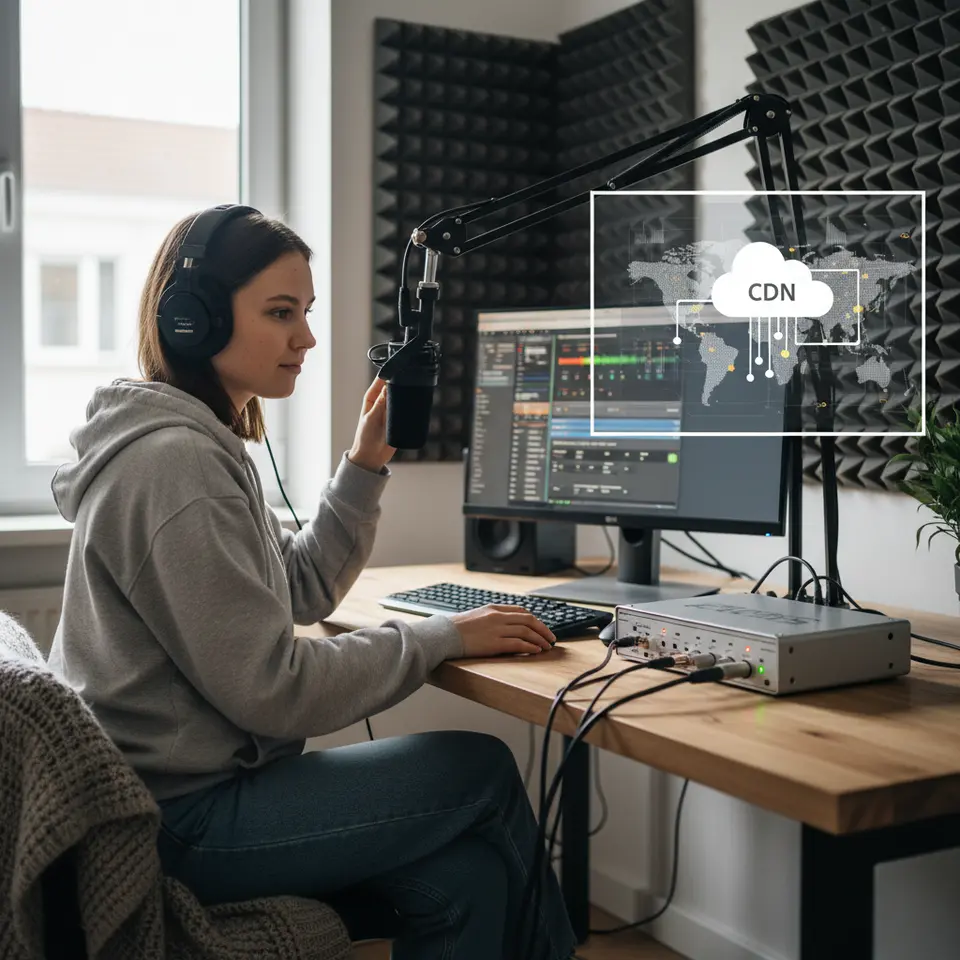
For stations expecting rapid growth, cloud-based solutions from Amazon Web Services or Google Cloud Platform provide scalable infrastructure with auto-scaling and failover mechanisms. Using a Content Delivery Network (CDN) can further distribute load and reduce buffering, ensuring a seamless experience for listeners around the globe.
Compliance and Licensing: Navigating Legal Requirements

Broadcasting copyrighted music without proper permissions can result in significant fines and legal setbacks. To operate your online radio station within the law, you must secure performance rights and pay royalties to composers and artists represented by licensing organizations. In the United States, key agencies include the Federal Communications Commission (FCC), BMI, ASCAP, and SESAC. Each agency has its own fee structure based on listener count, broadcast hours, and market reach.
Outside the U.S., organizations like PRS for Music and PPL in the U.K., SOCAN in Canada, and APRA AMCOS in Australia handle licensing and royalty distribution. Fees vary by country and platform type; some hosts bundle licensing into monthly subscriptions, simplifying compliance management. Alternatively, you can curate public domain compositions or utilize tracks released under Creative Commons licenses, which often permit royalty-free broadcasting when you adhere to attribution guidelines.
For pre-recorded interviews, ensure that participants sign release forms granting you permission to broadcast their voices. If you plan on streaming syndicated news or talk segments, verify that source material is either public domain or cleared for rebroadcast.
Staying up to date on regulatory changes is essential. In today’s dynamic media environment, new guidelines may emerge around royalty reporting, streaming caps, or emerging royalty-tracking technologies like blockchain. Consulting with a specialized media attorney or subscribing to industry newsletters helps you remain compliant and avoid unexpected penalties.
Growth Strategies and Monetization Models
Once your technical infrastructure and legal framework are in place, focus shifts to building an engaged community and generating revenue to sustain operations. Growth strategies in today’s competitive optic include search engine optimization, social media outreach, and strategic partnerships.
Content Planning and Programming
Create a balanced schedule that blends live shows, automated playlists, and specialty segments. Live interviews with local artists, weekly thematic countdowns, and listener call-in hours keep content fresh and interactive. Scheduling software allows you to automate off-peak hours, ensuring your stream remains live even when you’re away from the studio.
Branding and Promotion
Develop a cohesive visual identity including a memorable logo, color palette, and station jingles. Optimize your website for search engines by incorporating the focus keyword “online radio station” in page titles, meta descriptions, and headings. Write blog posts on topics like “Tips for Aspiring DJs” or “How to Build a Home Studio” to attract organic traffic. Leverage pay-per-click campaigns on platforms like Google Ads and run targeted social ads on Facebook and Instagram to reach specific demographics.
Engagement and Community Building
Interactive features such as live chat, song requests, polls, and social media shout-outs foster listener loyalty. Host virtual events or livestream concert footage in collaboration with independent artists. Establish a presence in online communities on Reddit or Discord where fans can discuss upcoming shows and share feedback.
Monetization Options
- Sponsorships and Advertising: Partner with small businesses or relevant brands for ad spots or sponsored segments.
- Premium Subscriptions: Offer ad-free listening, exclusive shows, or early-access content to subscribers.
- Affiliate Marketing: Recommend audio gear, software, or music subscriptions, earning commissions on referrals.
- Crowdfunding: Set up tiers on Patreon or Buy Me A Coffee for dedicated supporters.
- Merchandise Sales: Sell branded apparel, stickers, or digital downloads to enthusiasts.
Balancing multiple revenue streams reduces dependency on any single source. Regularly survey your audience’s tolerance for ads and willingness to pay to fine-tune pricing and ad frequency.
FAQ
- How do I select the right streaming host?
- See the “Technical Setup” section above for guidance on choosing hosting platforms based on listener capacity, bitrate options, and server reliability.
- What legal requirements must I follow for music licensing?
- The “Compliance and Licensing” section outlines the performance rights, royalty payments, and agencies you need to work with to stay compliant.
Conclusion
Starting an online radio station today requires a blend of creative vision, technical acumen, and strategic planning. By defining a clear niche, investing in reliable equipment and hosting, complying with licensing regulations, and engaging listeners through interactive programming, you can transform your passion into a thriving broadcast platform. In today’s digital landscape, continuous analysis of listener data and adaptation of your content strategy are crucial for sustained growth. Embrace new technologies, explore diversified monetization models, and foster a sense of community to ensure your station remains relevant and profitable. Now is the time to turn your concept into reality—equip your studio, craft compelling shows, and share your voice with the world through your own online radio station.